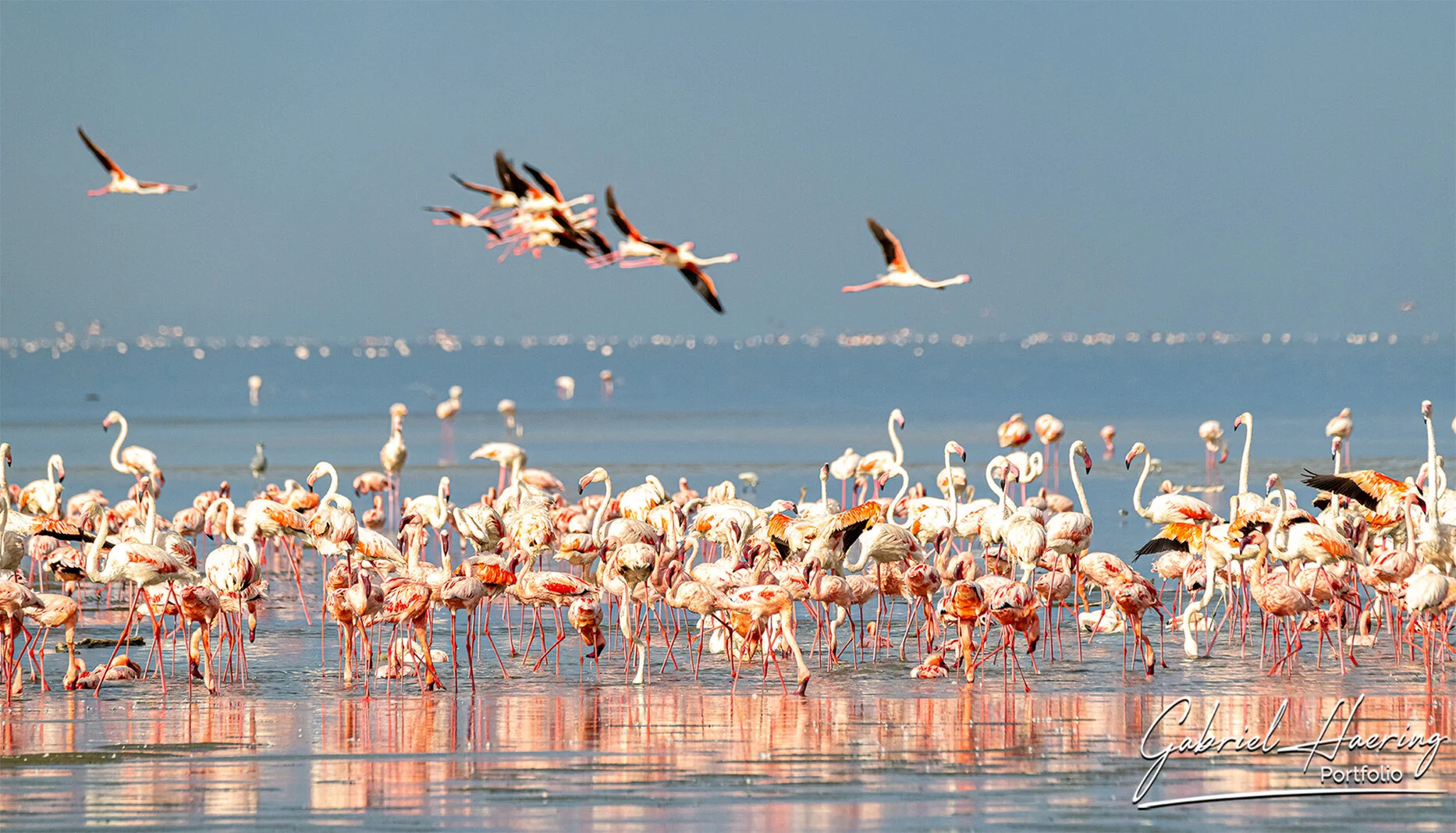

Serengeti National Park is one of Africa’s great photographic landscapes. Its power lies not only in wildlife abundance, but in scale: open plains, distant horizons, scattered acacia trees, storm skies, dry grass, seasonal green and the constant movement of animals across a vast ecosystem.
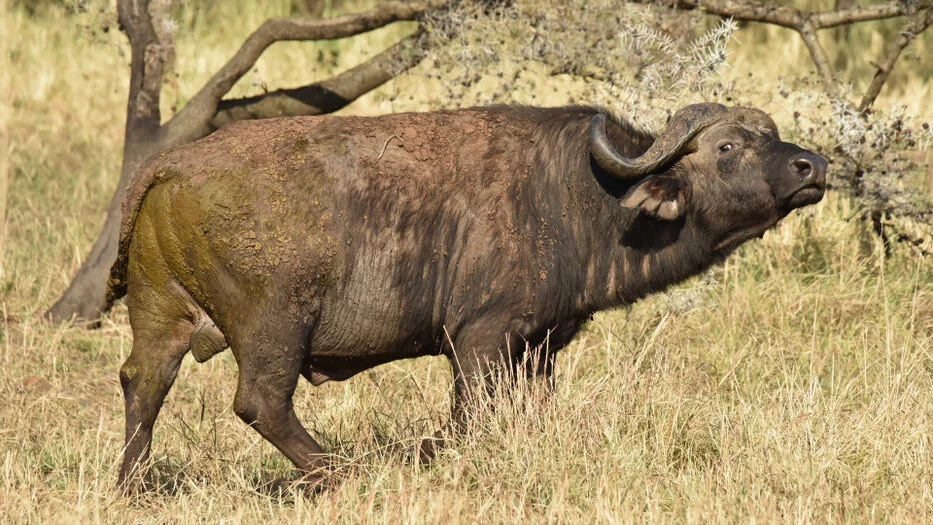
For photography, Serengeti and Ndutu are especially strong because they combine wildlife behaviour with atmosphere. Wildebeest and zebras moving through the plains, lions resting in grass or trees, cheetahs watching from low cover, jackals on termite mounds, buffalo in woodland, crocodiles and hippos near water, and silhouettes at sunset all create a visual story shaped by movement and light.
For me, wildlife photography in Serengeti is never only a search for iconic species. It is a way of reading space: the distance between animals, the line of a herd, the tension created by a predator, the changing sky, the dust rising behind movement, or the silence before something happens.
This portfolio gathers a selection of color images from Serengeti National Park and the wider Serengeti ecosystem: Great Migration scenes, intimate predator portraits, tree-climbing lions, plains wildlife, river encounters and quiet moments where distance, dust, sky and animal behaviour become part of the composition.
Serengeti is one of those places where the photograph often begins wide. The animal may be the subject, but the landscape gives the image its meaning.
Photograph the Serengeti and the Great Migration
The Serengeti and Ndutu are central to my January 2027 Great Migration Calving Season photographic safari.
This journey is designed around one of the finest periods for wildlife photography in Tanzania, when wildebeest calves, predators, plains, dust, movement and big cats create exceptional photographic opportunities.
During the calving season, the Ndutu plains and the Southern Serengeti become the centre of the Great Migration. Large herds gather on the short-grass plains, newborn wildebeest follow the movement of the migration, and predators are never far away. For photographers, this creates a rare combination of behaviour, action, landscape and emotion.
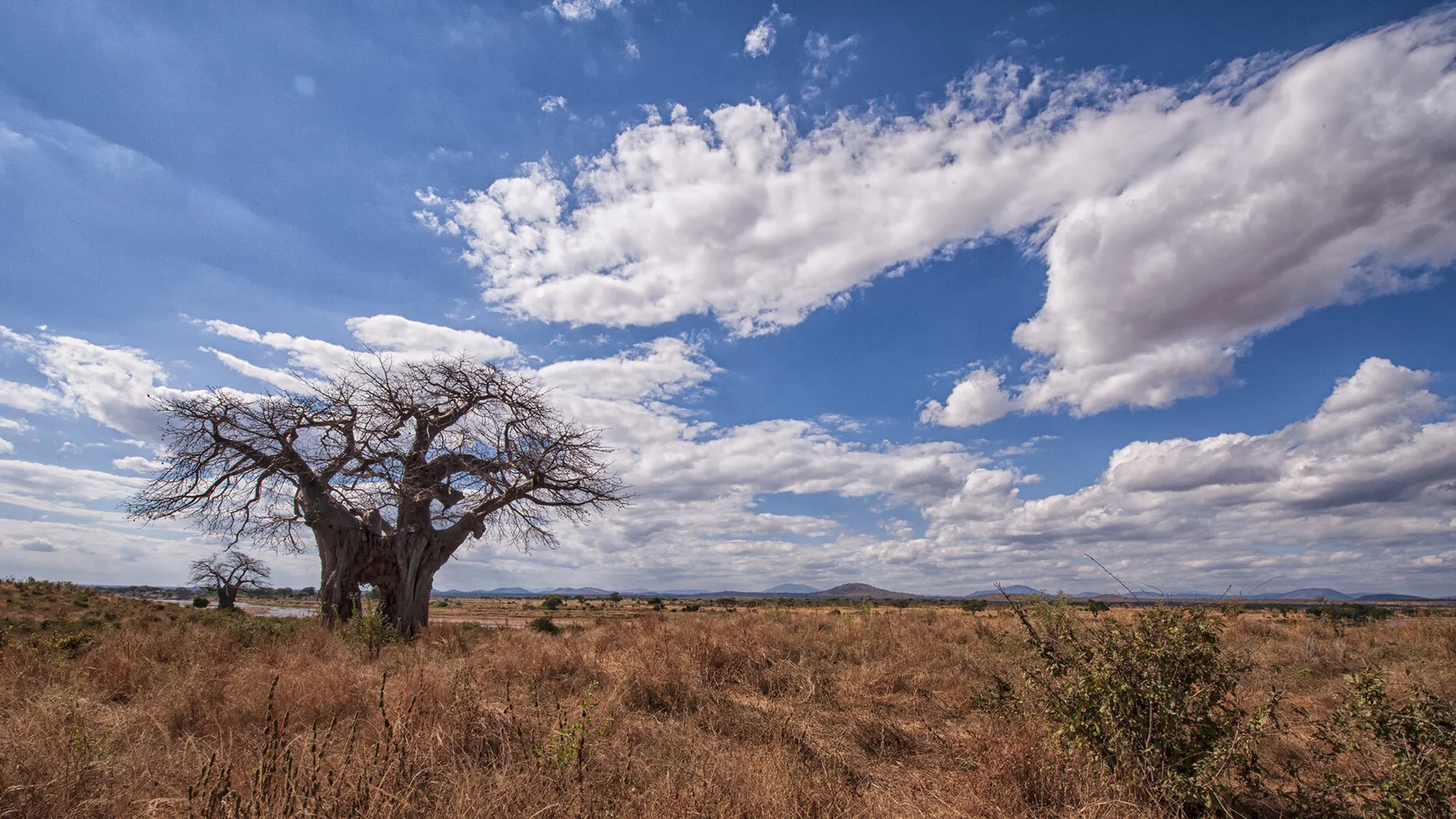
The January 2027 safari combines Tarangire, Ngorongoro, Ndutu and Central Serengeti. This gives the journey a strong photographic progression: elephants and baobabs in Tarangire, wildlife density inside the Ngorongoro Crater, the drama of the calving season in Ndutu, and the classic open landscapes of Central Serengeti.
With a small group, a photographic rhythm and generous time in the field, the aim is not simply to see the Great Migration, but to photograph it with attention to light, behaviour, composition and atmosphere.
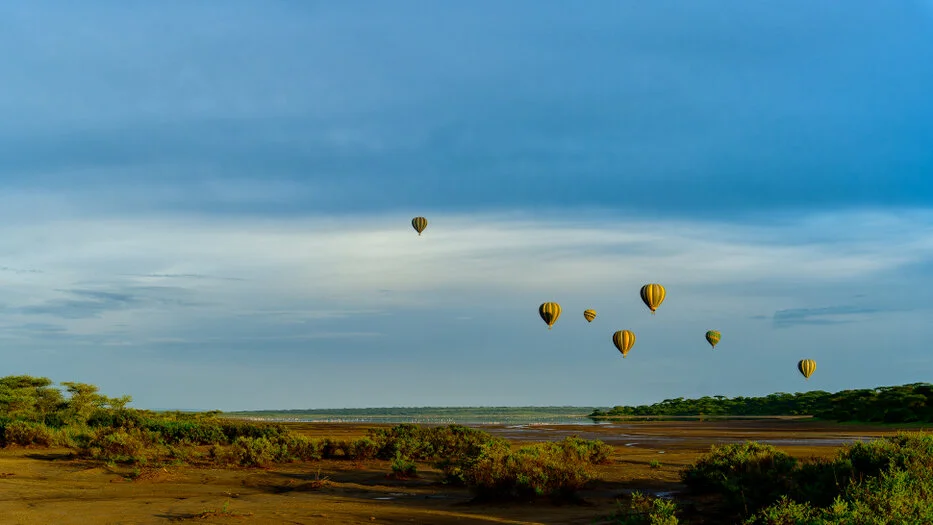
Serengeti image gallery
Photographic approach in Serengeti
Working with movement, dust and changing light
Serengeti draws me again and again to the rhythm of movement. Across the short-grass plains of Ndutu, the open horizons of the Serengeti and the more varied landscapes around Seronera and Central Serengeti, the animals are rarely isolated from the land. Herds move, predators wait, dust rises, clouds build and the same scene can change completely within a few minutes.
This is what makes Serengeti wildlife photography so powerful. Movement is not only behaviour. It becomes part of the composition.
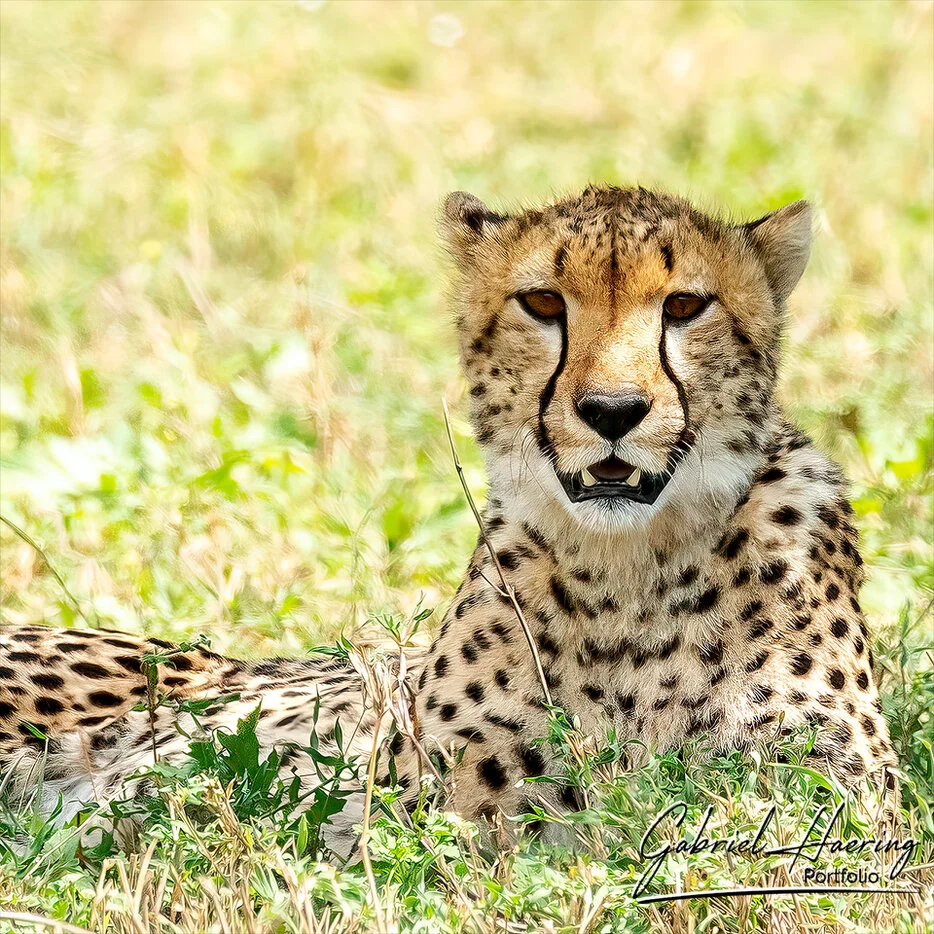
I often look for the moment when the landscape and the animals fall into balance: a herd stretched across the horizon, a single wildebeest separated from the group, a lion half-hidden in grass, a cheetah watching from low cover, or an animal framed by acacia branches and open sky.
In Serengeti, the photographer often has to decide whether the image is about action, space or anticipation. Sometimes the strongest photograph is not the chase, but the moment before it. A predator watching. A herd hesitating. A calf staying close to its mother. A line of animals beginning to move again.
The Great Migration and the scale of the plains
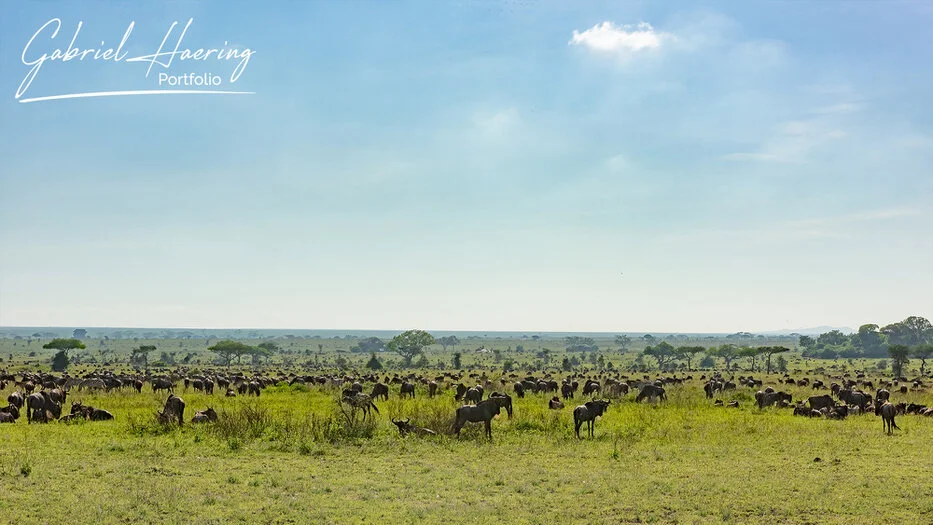
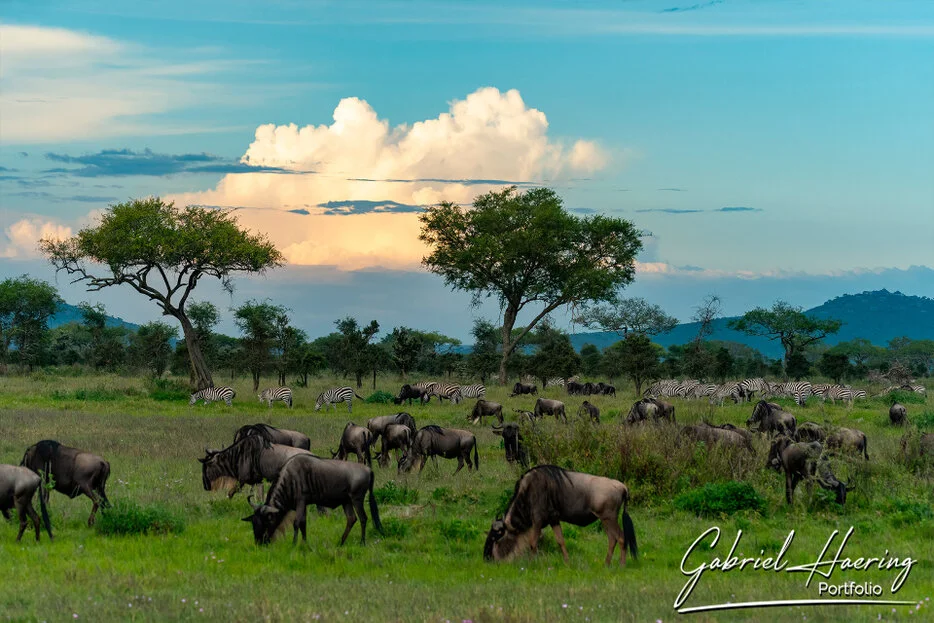
The Great Migration gives Serengeti its most recognizable visual identity. Wildebeest and zebras moving across the plains create patterns, lines and repetitions that are ideal for photographic storytelling.
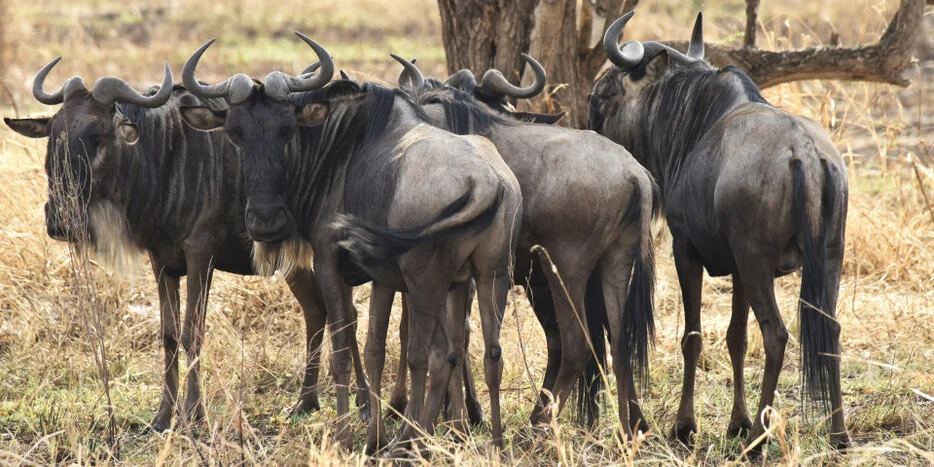
Sometimes the scene is wide and almost abstract, with animals reduced to dark forms across a green or golden landscape. At other times, the image becomes intimate: a small group resting, a nervous glance, a calf following the herd, or a moment of hesitation before movement begins again.
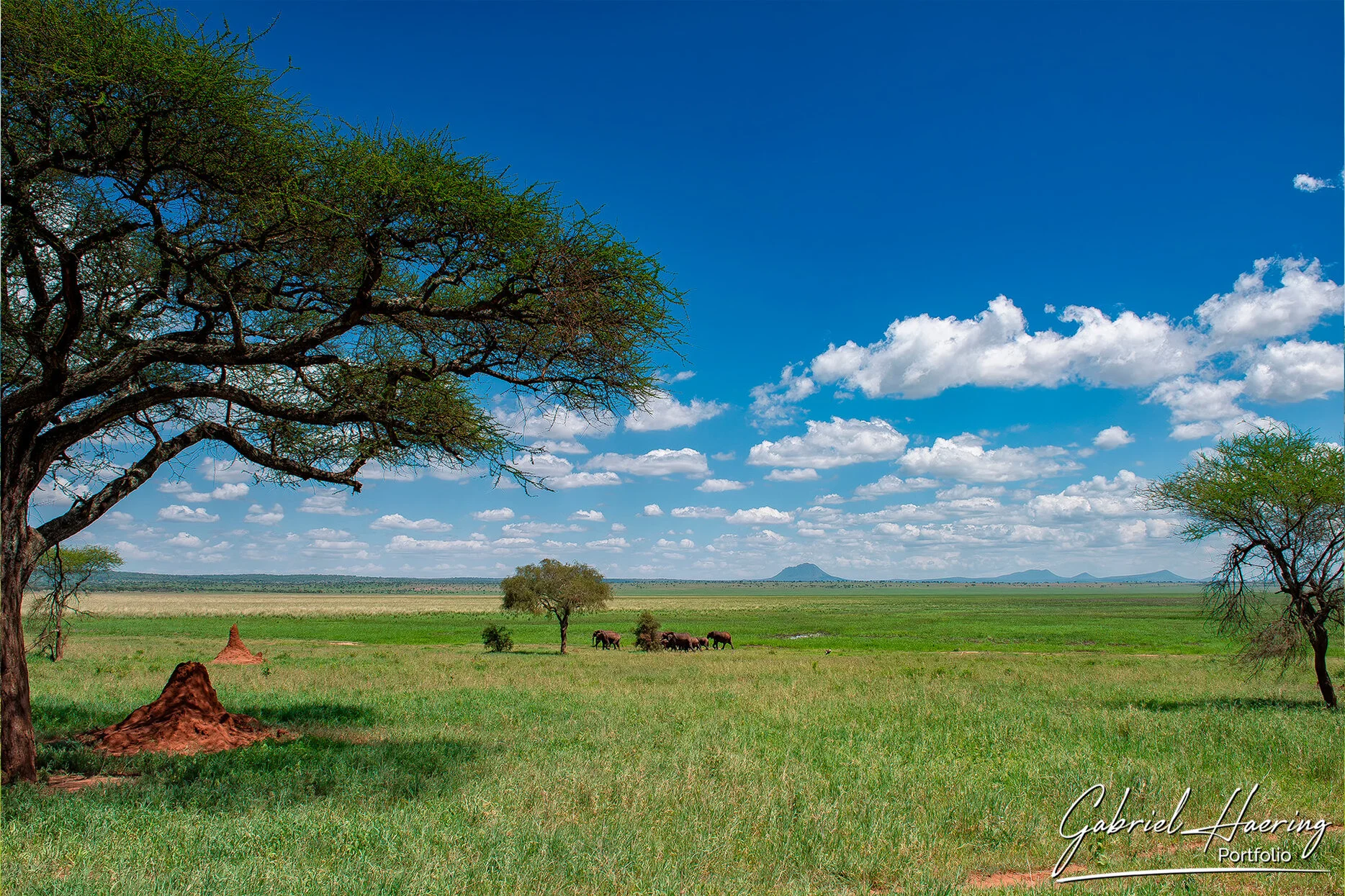
For me, the challenge is not only to show abundance, but to show scale. The plains, the sky and the distance are essential. A good Serengeti image should not simply say “many animals”; it should suggest space, migration, vulnerability and the immense rhythm of wild life moving through an open landscape.
This is especially true during the calving season. The presence of newborn wildebeest adds tenderness and fragility to the visual story, while the proximity of predators adds tension. For wildlife photography in Serengeti, this contrast between life, movement and risk is one of the most powerful themes.
Predators, trees and moments of tension
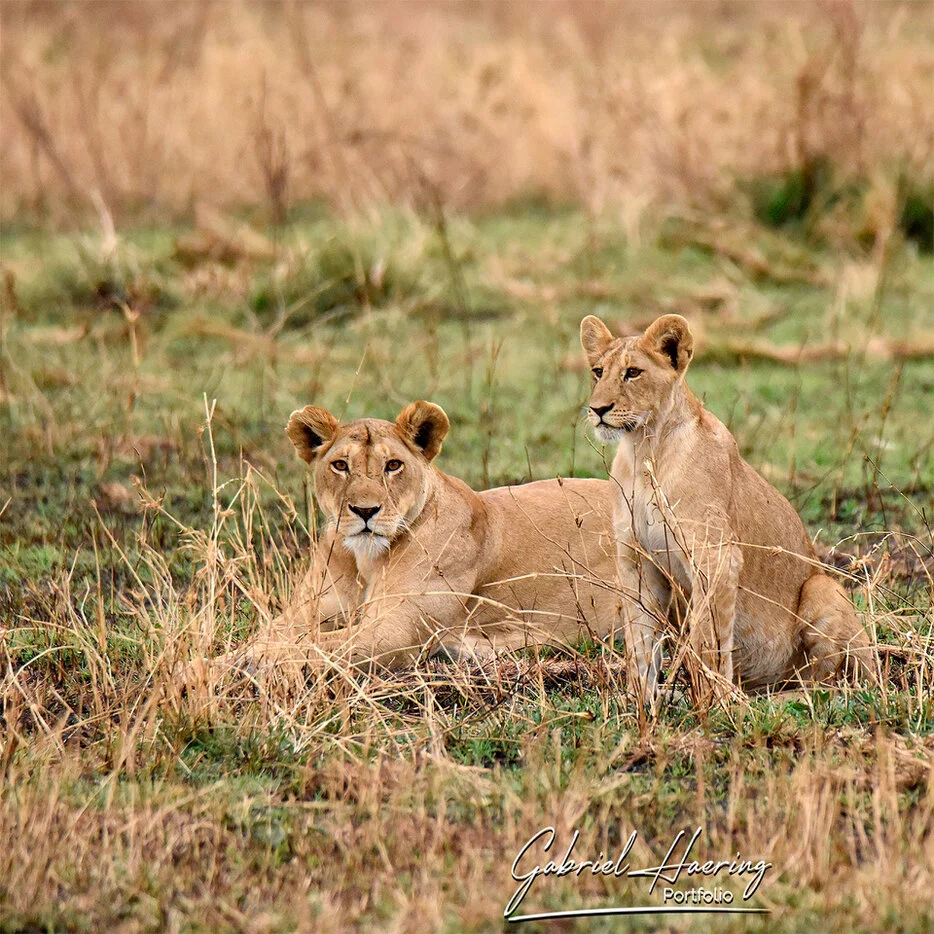
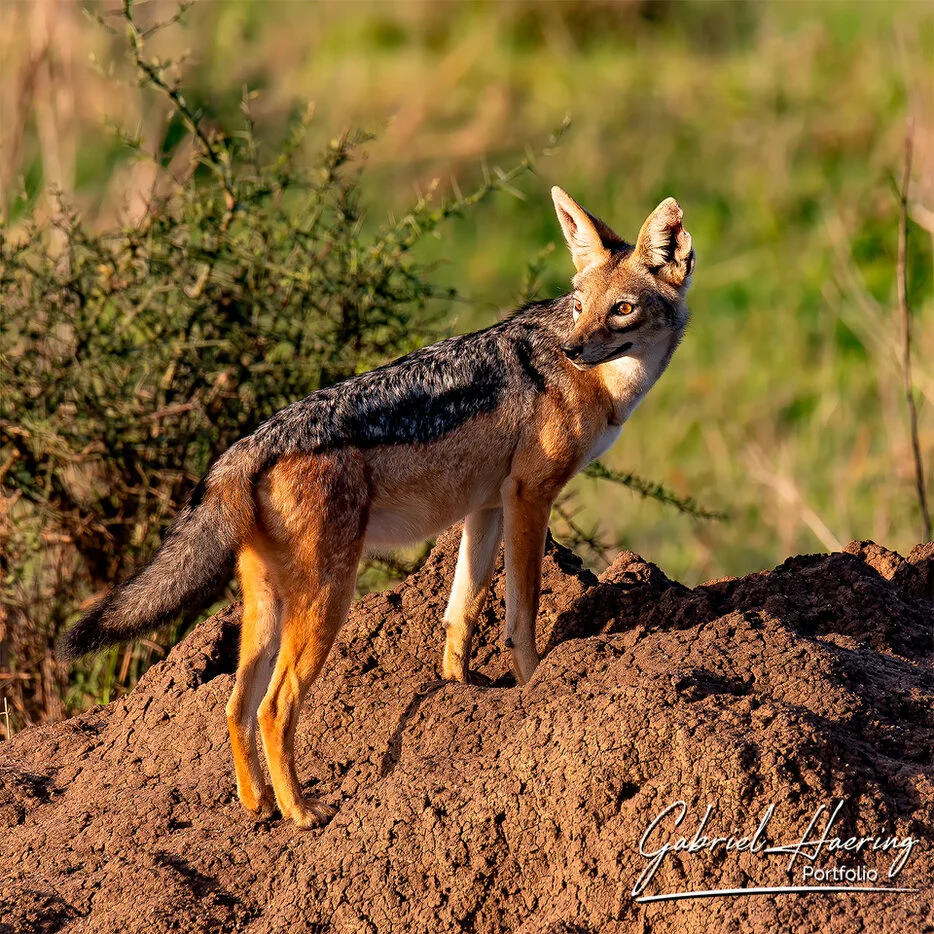
Predators add another layer to Serengeti photography. Lions, cheetahs and jackals are not only subjects in themselves; they are part of the migration story. Their presence brings tension, stillness and anticipation.
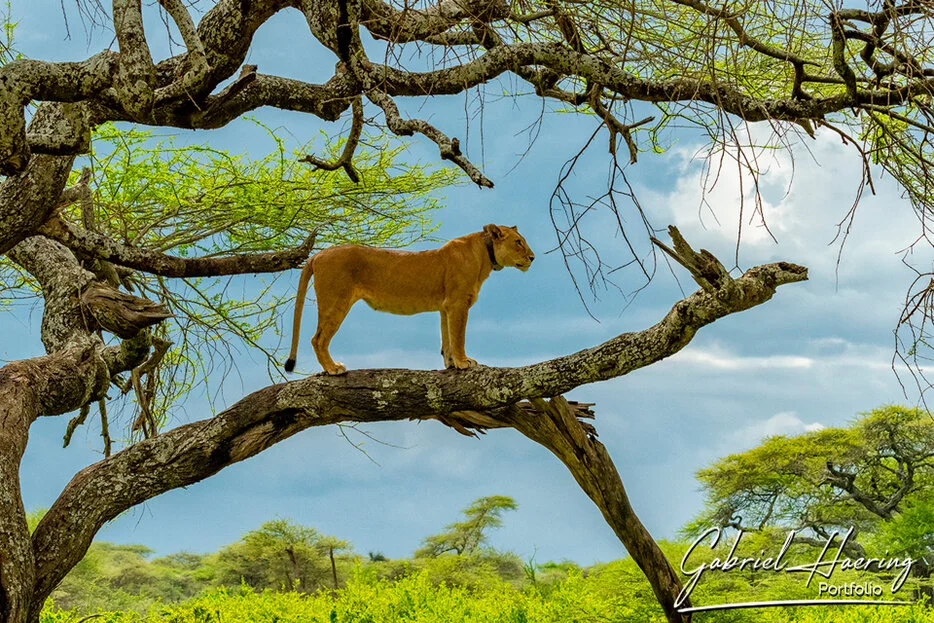
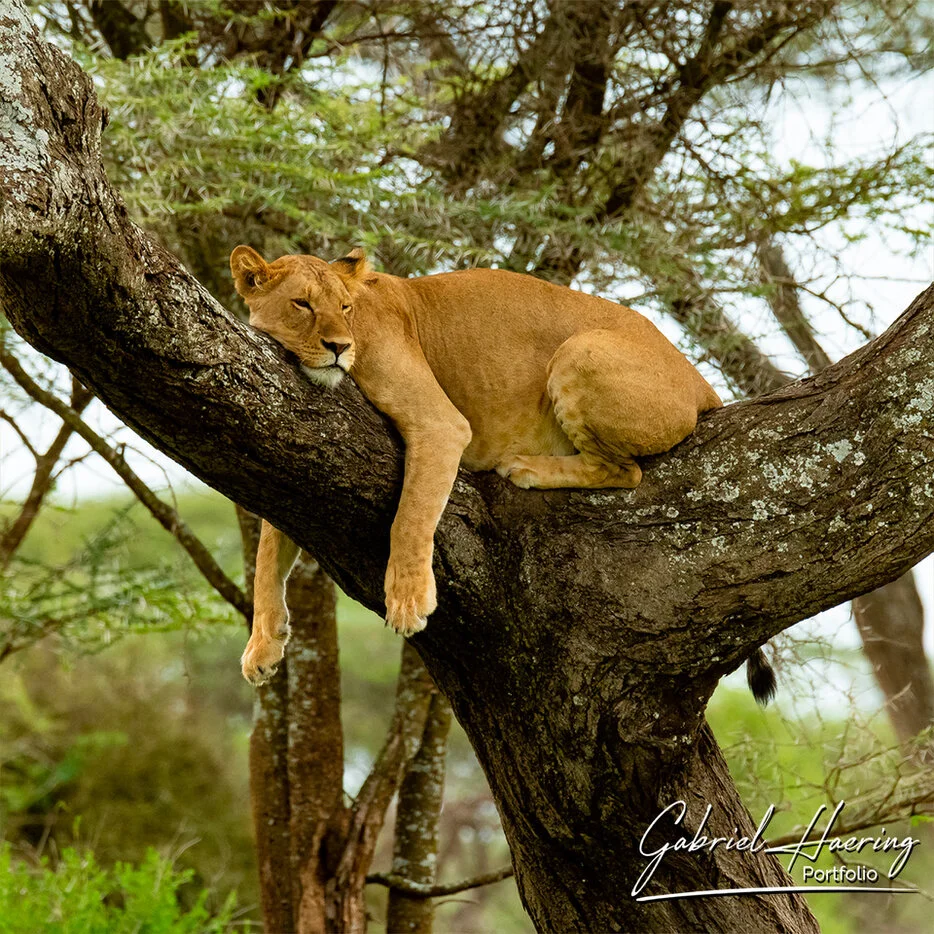
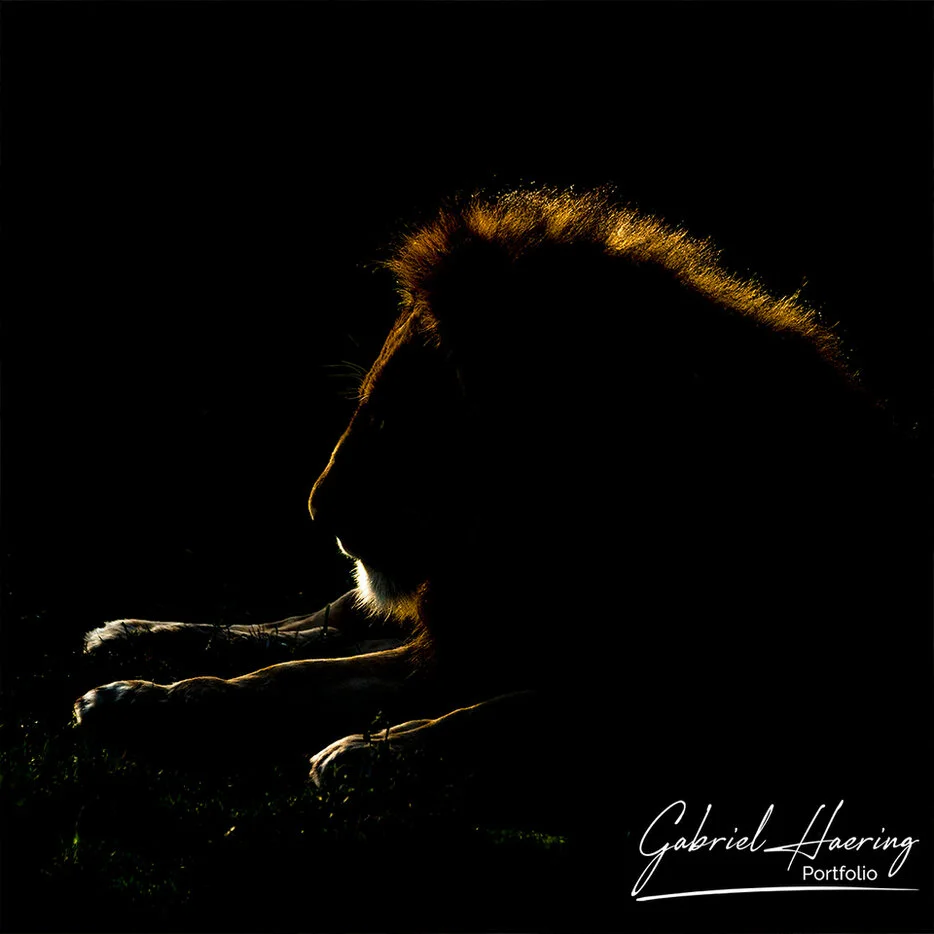
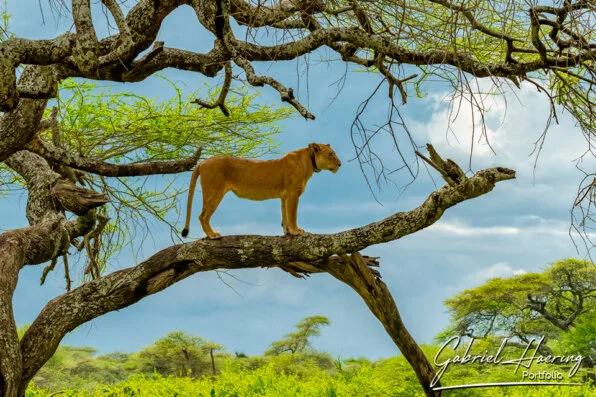
A lion resting in grass, a lioness sleeping in a tree, a cheetah watching quietly or a jackal standing alert on a termite mound can all become strong images when the surrounding space is allowed to breathe.
Tree-climbing lions are particularly graphic subjects. The branches, shapes and negative space around the animal can create compositions that are very different from classic ground-level predator portraits. In these moments, I try to use the tree as part of the image, not just as a place where the animal happens to be.
For me, Serengeti wildlife photography becomes strongest when the predator is not isolated from its environment. Grass, tree, sky, dust and distance all contribute to the tension of the image.
Water, river life and quieter encounters
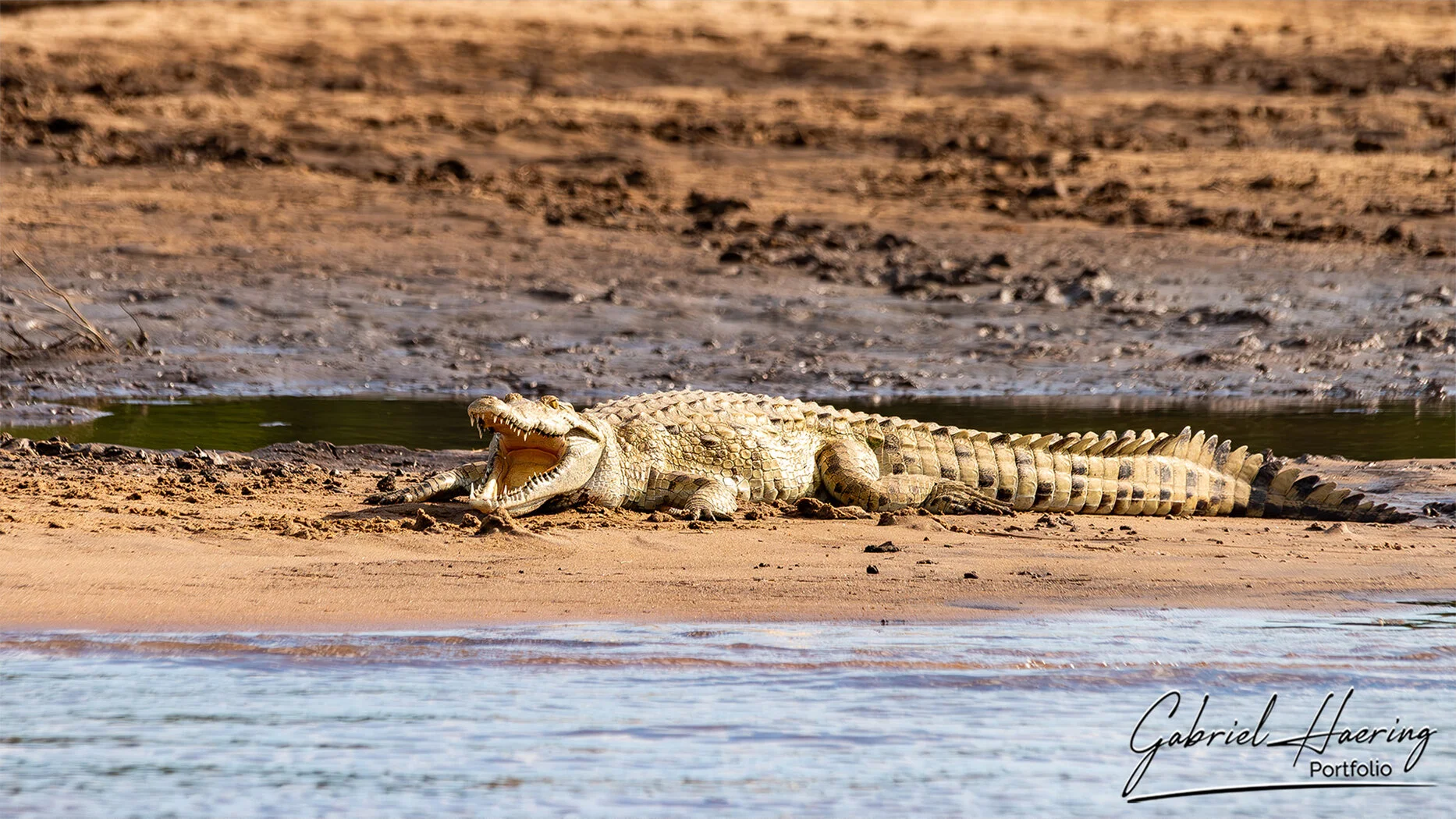
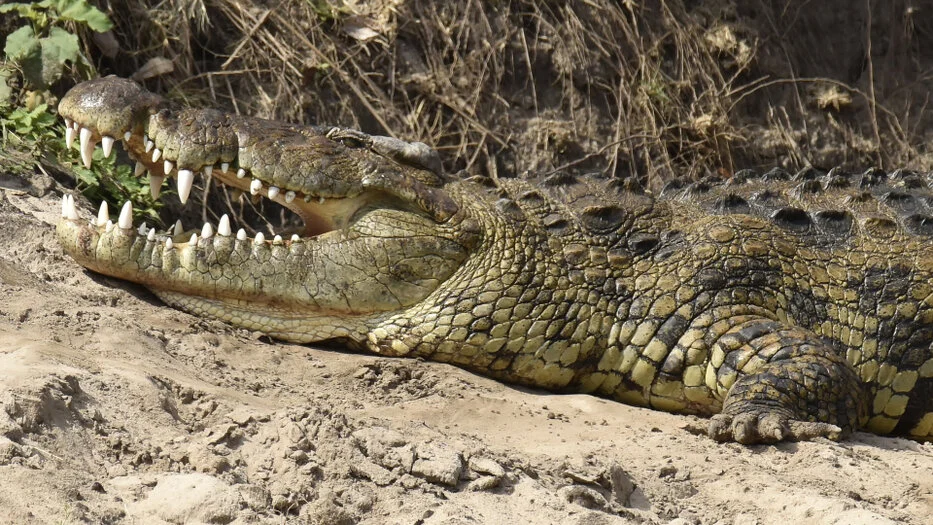
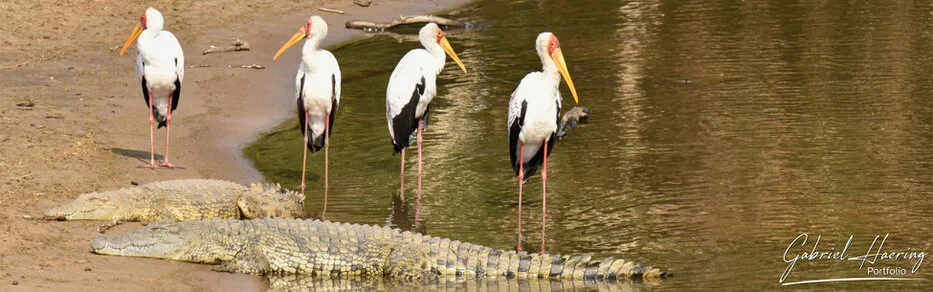
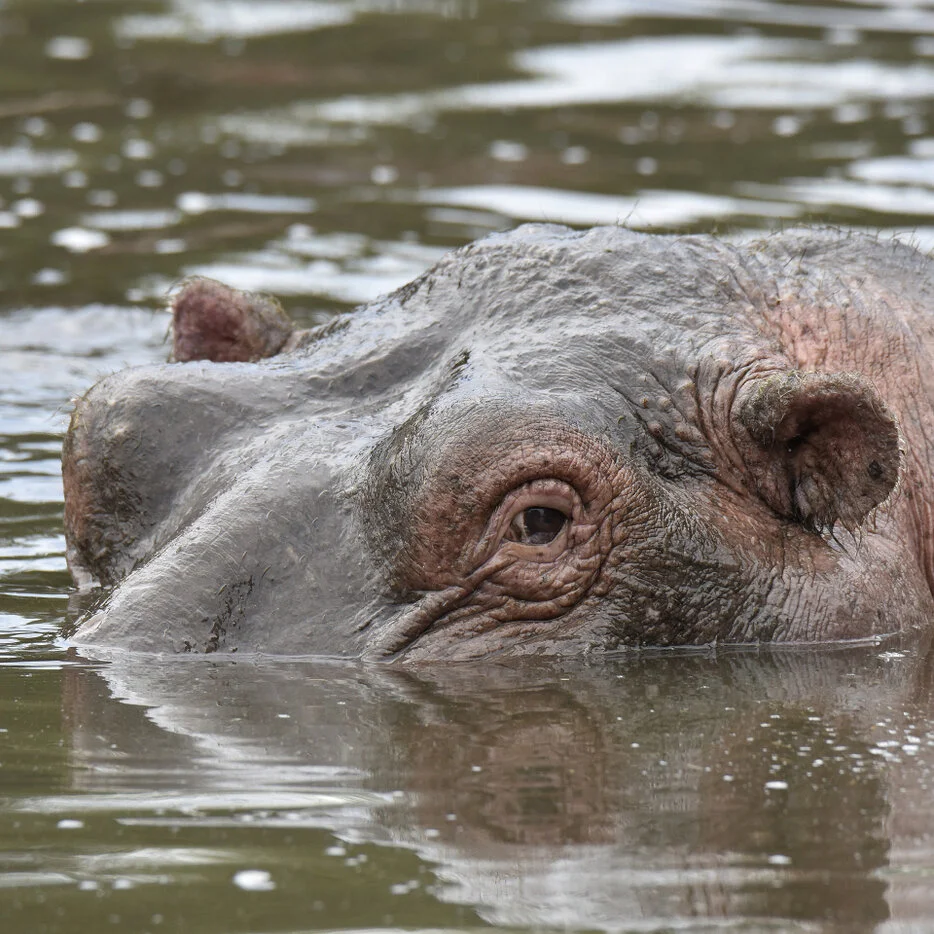
Although Serengeti is often associated with open plains, water also plays an important photographic role. Riverbanks, pools and wetland edges bring different subjects and a different rhythm. Crocodiles, hippos and animals approaching water create images with texture, reflection, tension and stillness.
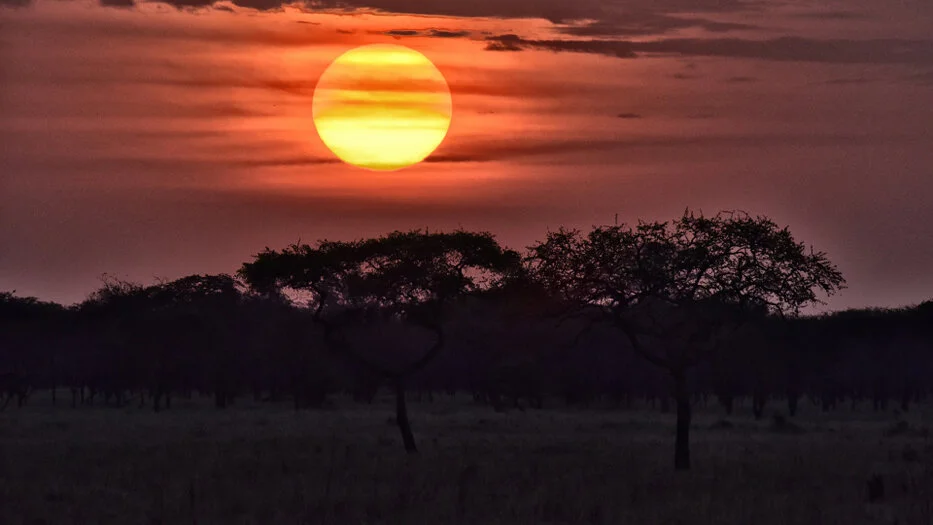
These quieter encounters are important because they balance the drama of the migration. A crocodile resting with open jaws, a hippo half-submerged in water or a distant animal at sunset can express the Serengeti atmosphere without needing spectacle. They give the portfolio depth and help show the ecosystem beyond the herds.
Color, restraint and natural atmosphere
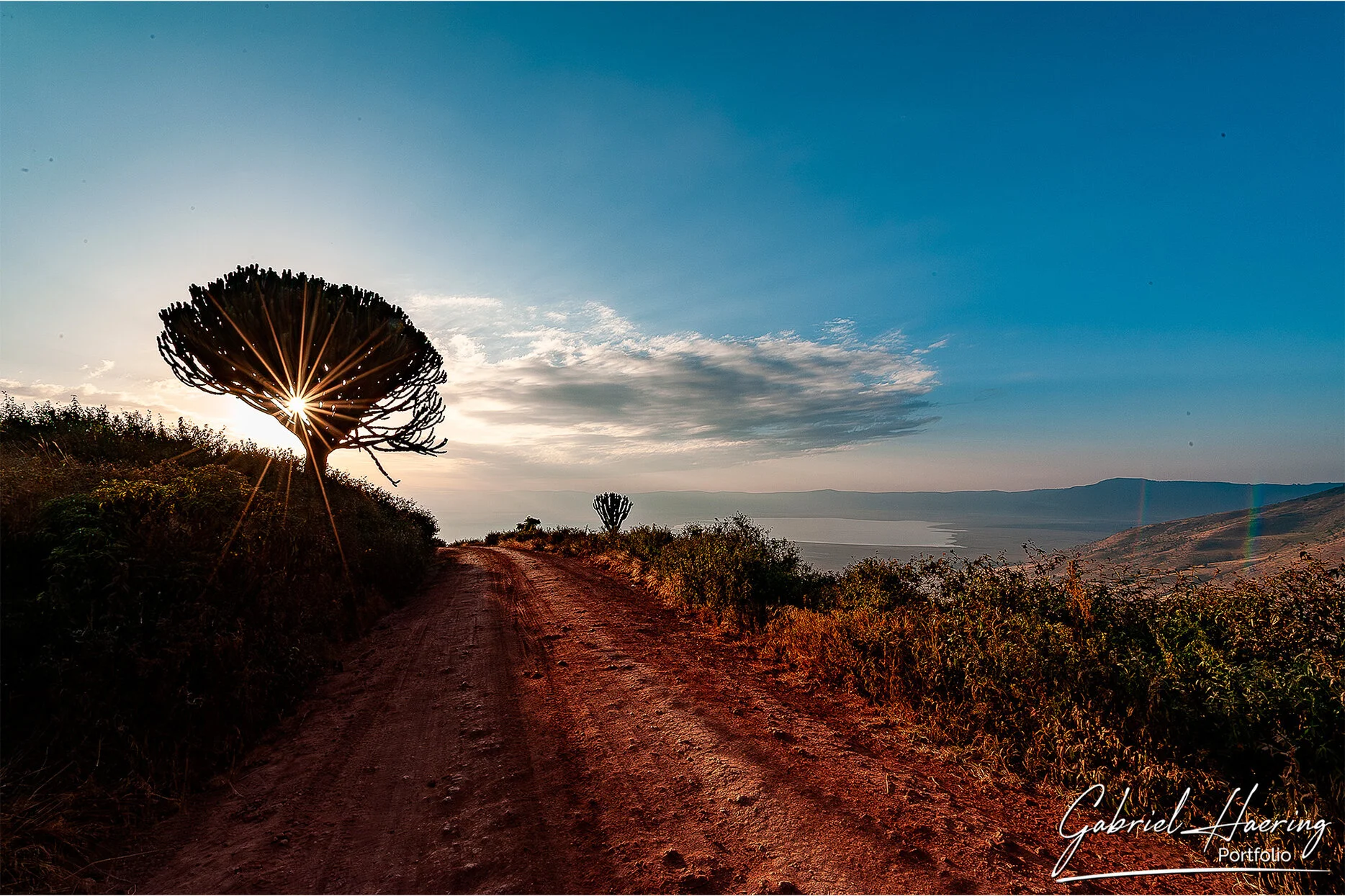
This portfolio is rooted in color, but the Serengeti color palette changes constantly. After rain, the plains can become soft green and luminous. During drier periods, ochre grass, dust and warm light dominate. Storm clouds bring blue-grey contrast, while sunset turns acacia silhouettes and distant animals into graphic forms.
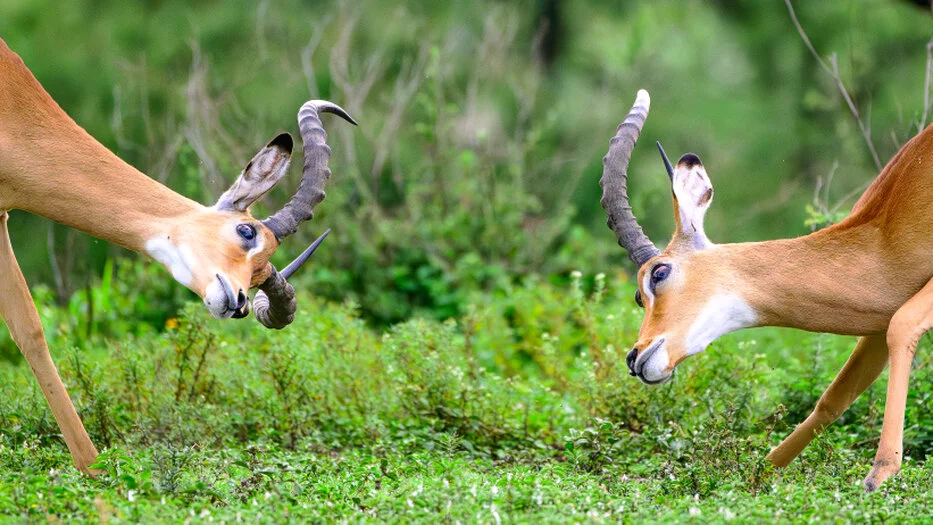
I try to keep the color natural and the composition controlled. The strongest Serengeti images are often not the busiest ones, but the ones where the visual elements are clear: a line of animals, a curve of horns, the outline of a lion, a cheetah’s gaze, a crocodile’s jaw, or the simple geometry of trees against the sky.
For me, wildlife photography in Serengeti is not about forcing drama into every frame. It is about recognizing when light, subject and landscape briefly come together.
Respect, patience and authentic moments
Every image in this portfolio is made with respect for the animals, the landscape and the natural rhythm of the Serengeti ecosystem. I prefer to work patiently, from appropriate distance, following the guidance of local experts and allowing wildlife behaviour to unfold without pressure.
Serengeti rewards patience. The most meaningful photographs rarely come from rushing between sightings. They come from staying with a scene long enough for light, movement and behaviour to align.
This is also the spirit I bring to the Great Migration Calving Season photographic safari. The aim is not simply to move from one sighting to the next, but to observe carefully, wait when the situation deserves time, and create photographs that carry atmosphere as well as wildlife.
In those moments, photography becomes less about collecting subjects and more about reading the landscape and recognizing the quiet order inside a wild, constantly moving world.
Prints, licensing & photo safaris
If an image from this Serengeti portfolio resonates with you, it can often be acquired as a fine art print or licensed for editorial and commercial use through my main sales website.
And if these images make you feel that the Serengeti and the Great Migration are places you would like to experience with your own camera, you may also be interested in joining my January 2027 Great Migration Calving Season photographic safari in Northern Tanzania.
This small-group journey includes Tarangire, Ngorongoro, Ndutu and Central Serengeti. It is designed for photographers and nature lovers who want to experience the calving season, big cats, newborn wildebeest, predator behaviour, open plains, dust, light and the atmosphere of one of Africa’s greatest wildlife spectacles.
The safari is built around a photographic rhythm: generous time in the field, a small group, dedicated photographic guidance, daily image discussions and enough flexibility to work seriously with wildlife behaviour, light and composition.
Please mention this Serengeti portfolio when you get in touch, so I can easily identify the photographs or the safari experience you are interested in.