
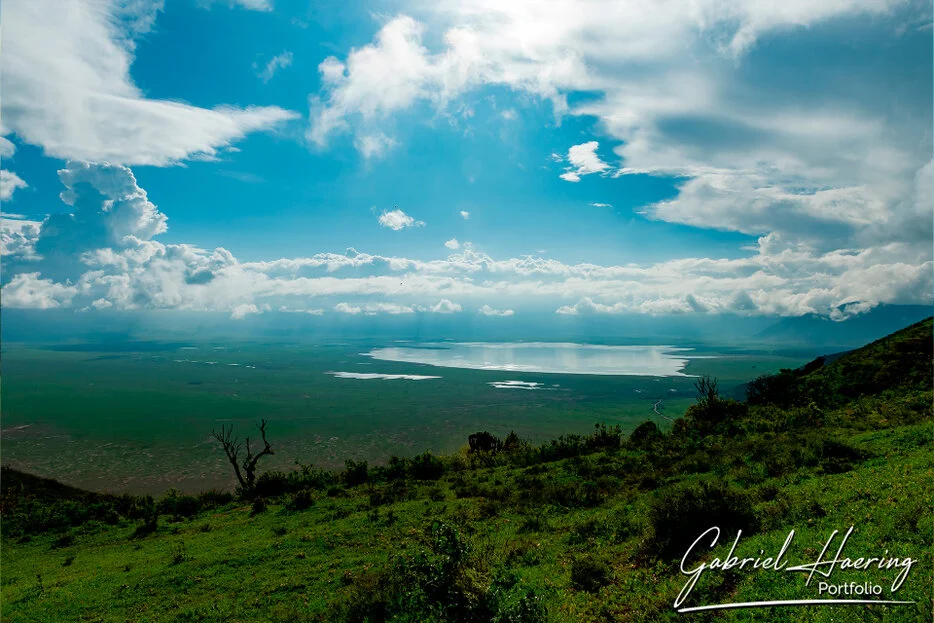
Ngorongoro Crater is defined by scale, light and an extraordinary concentration of wildlife. Enclosed within the vast caldera, its open grasslands, soda lake, marshes and forested slopes create a landscape that is constantly changing, both visually and photographically.
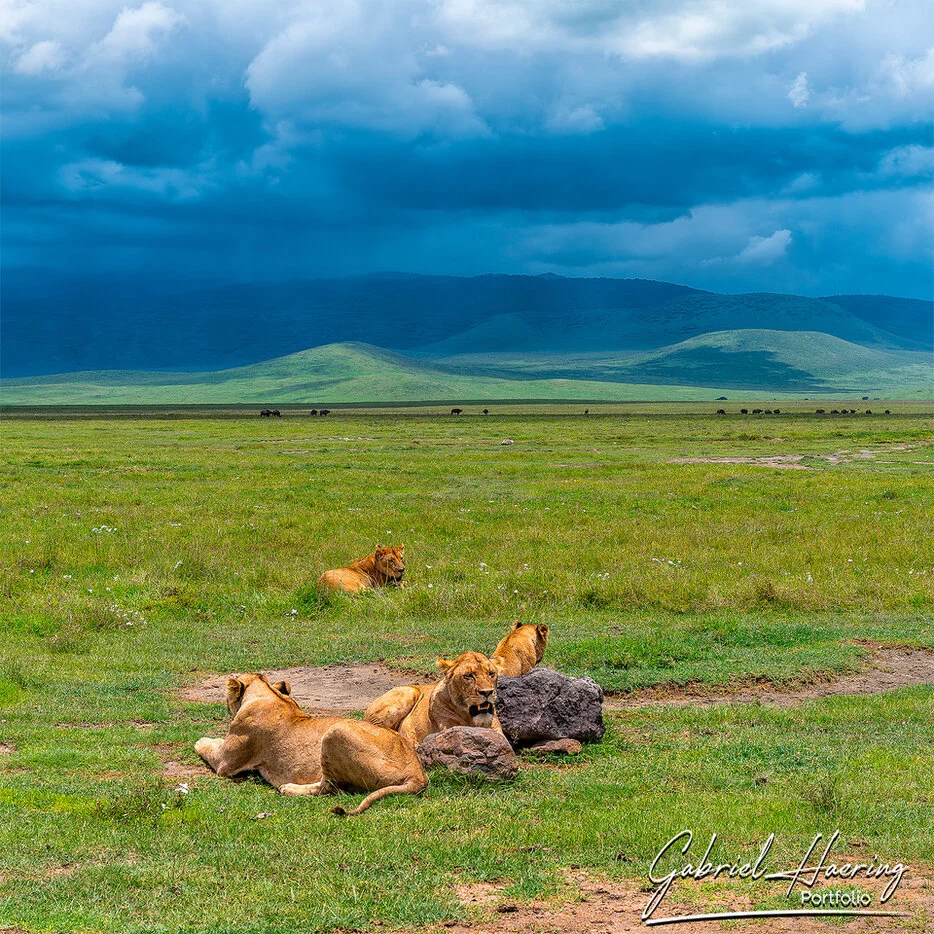
Across repeated visits by vehicle, I have returned to this environment to photograph its wildlife with attention to atmosphere, composition and light. For me, wildlife photography in Ngorongoro Crater is never only a search for individual animals. It is a way of reading the whole scene: the crater walls in the distance, the shifting mist, the position of a lion in the grass, the movement of wildebeest or zebras across the floor, or the delicate presence of birds along the lake.
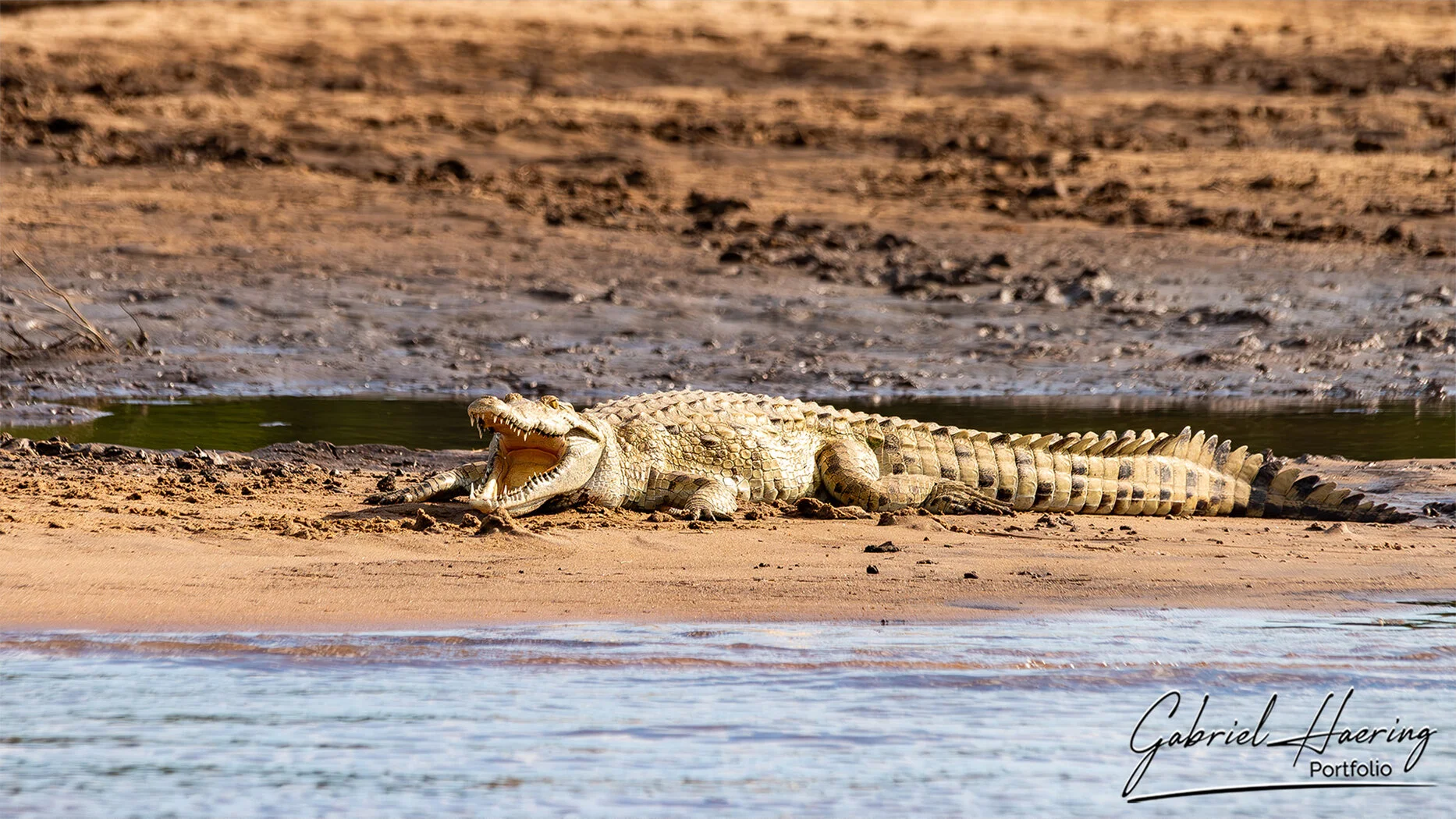
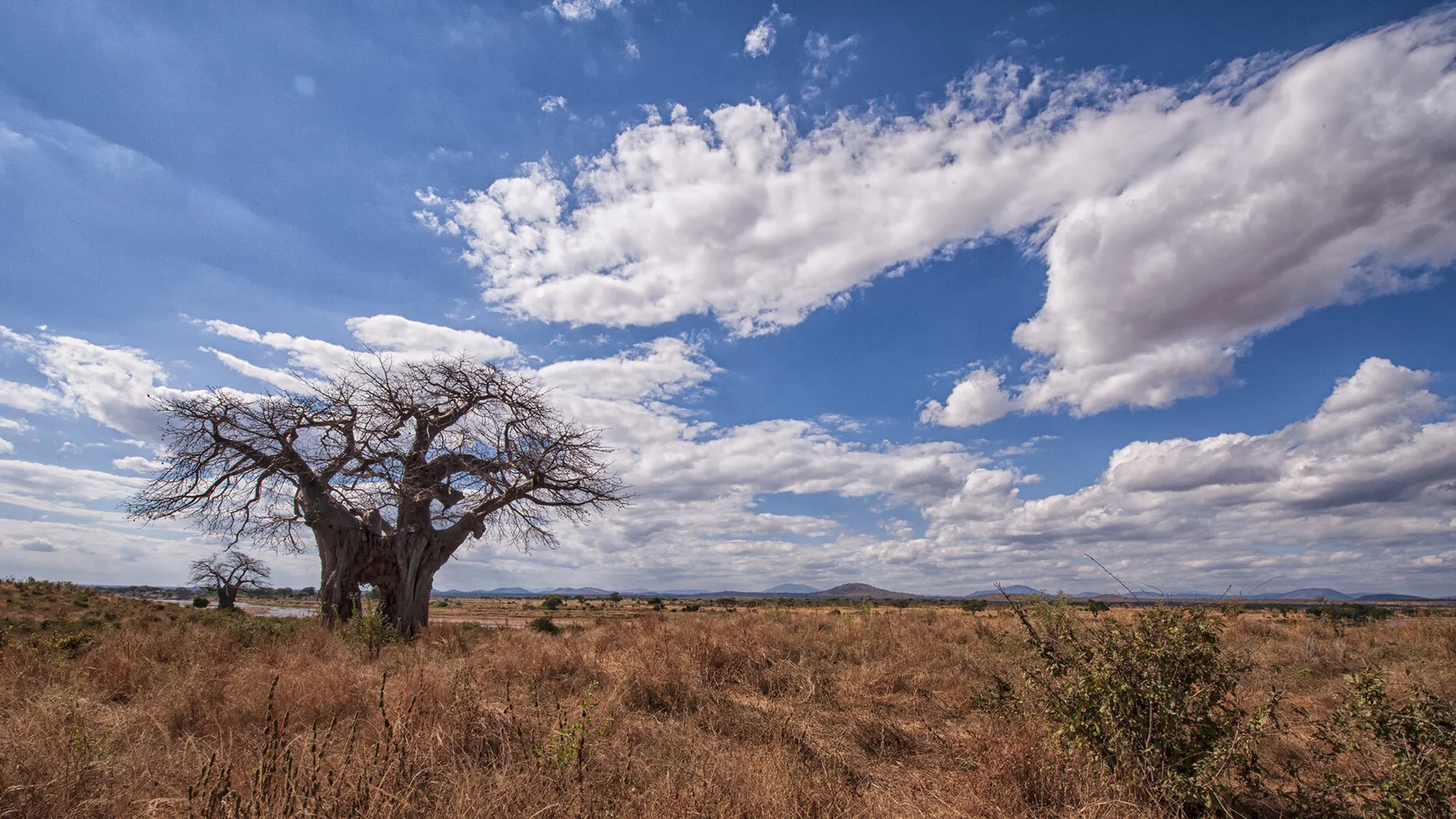
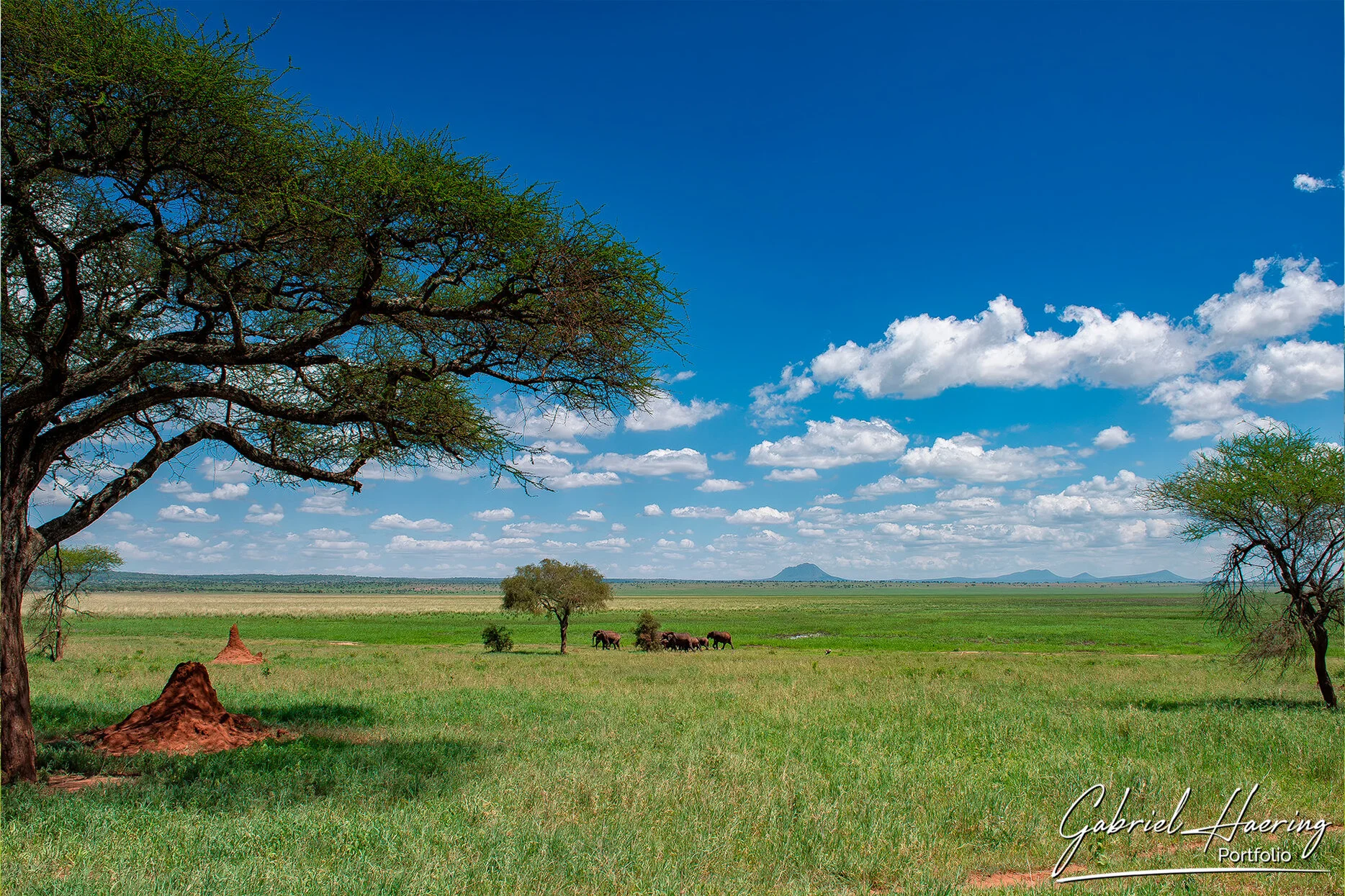
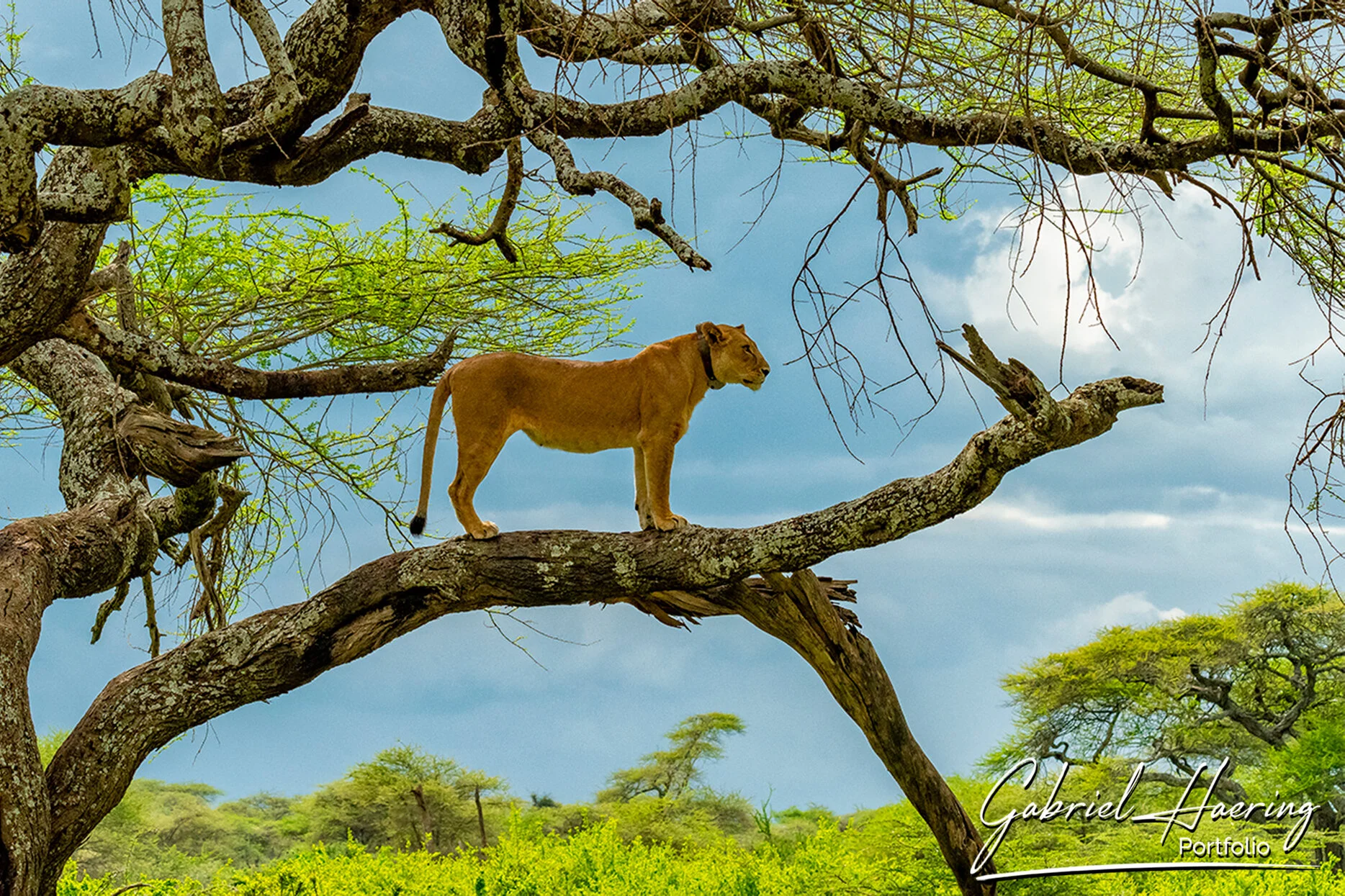
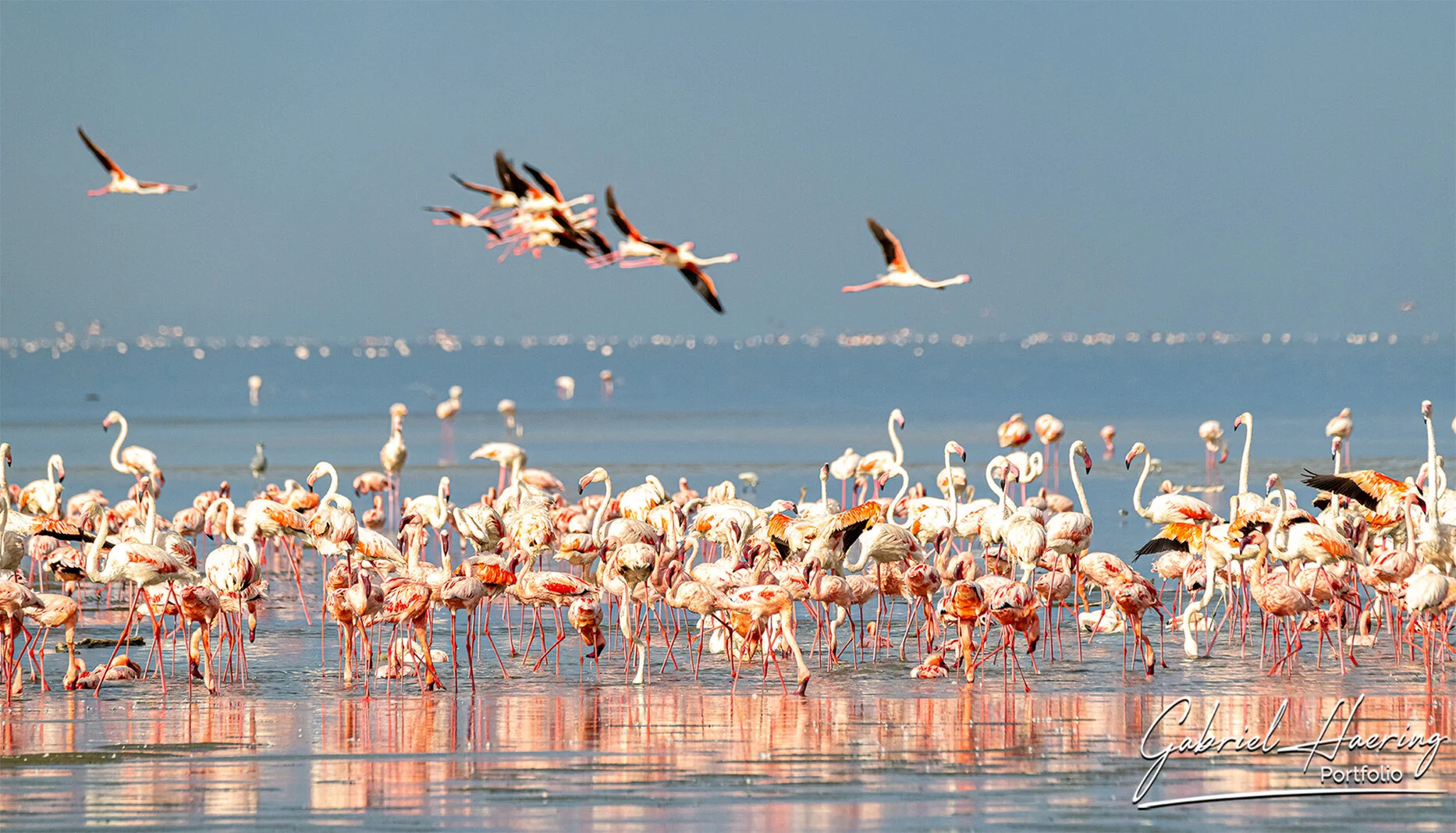
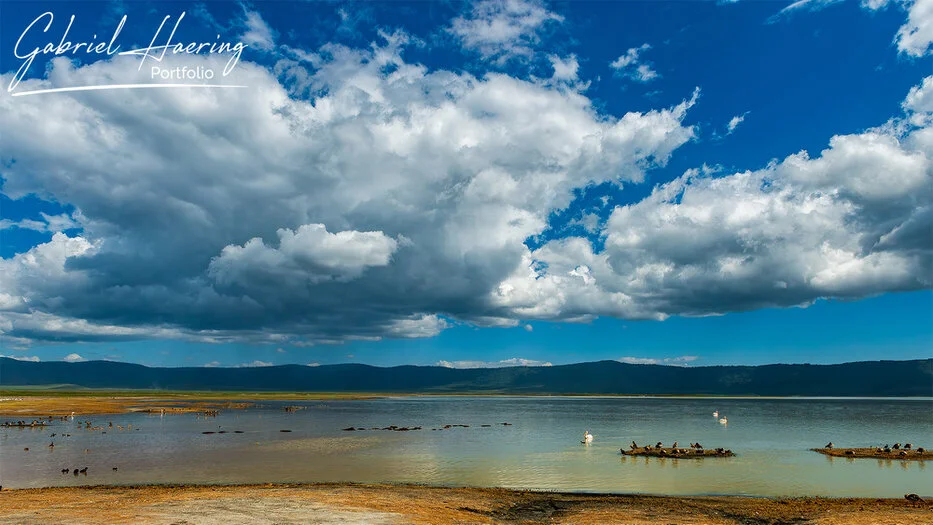
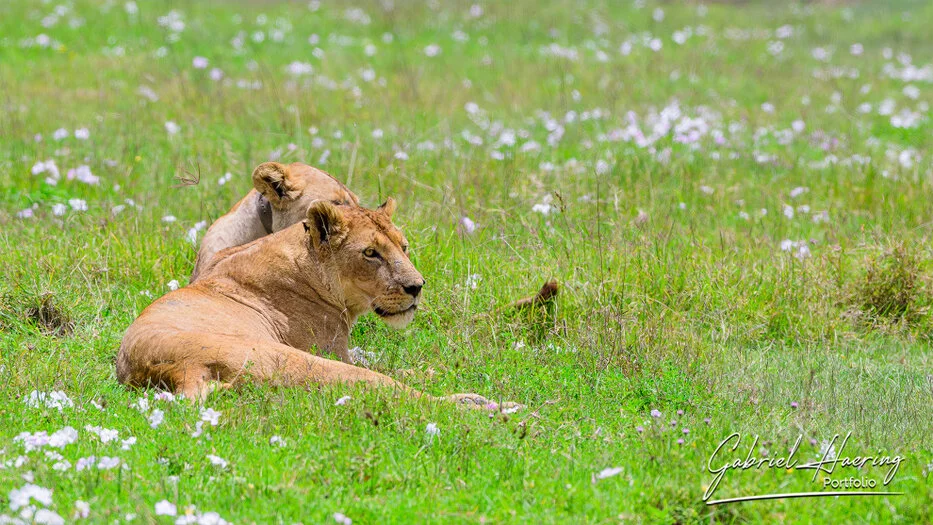
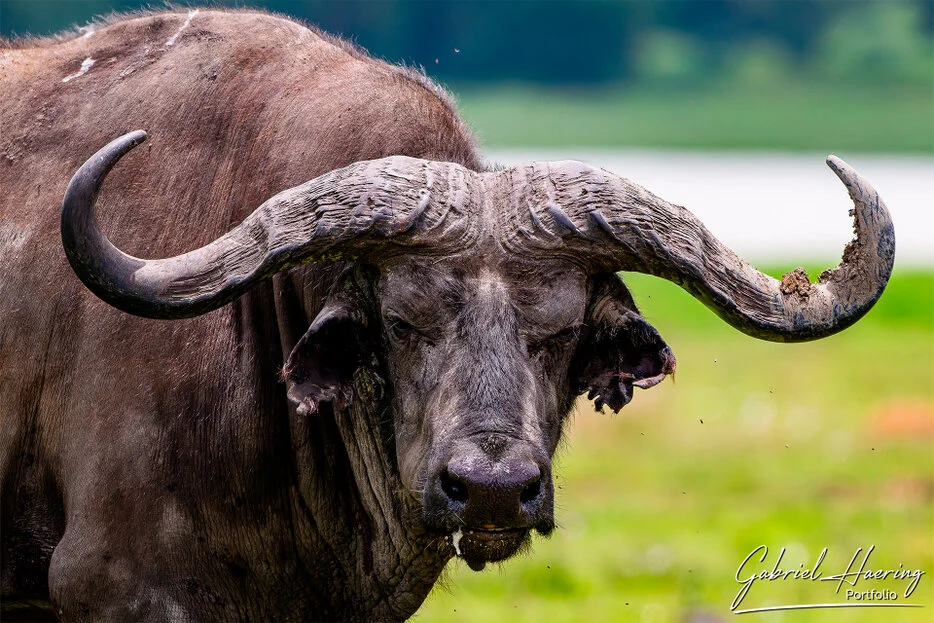
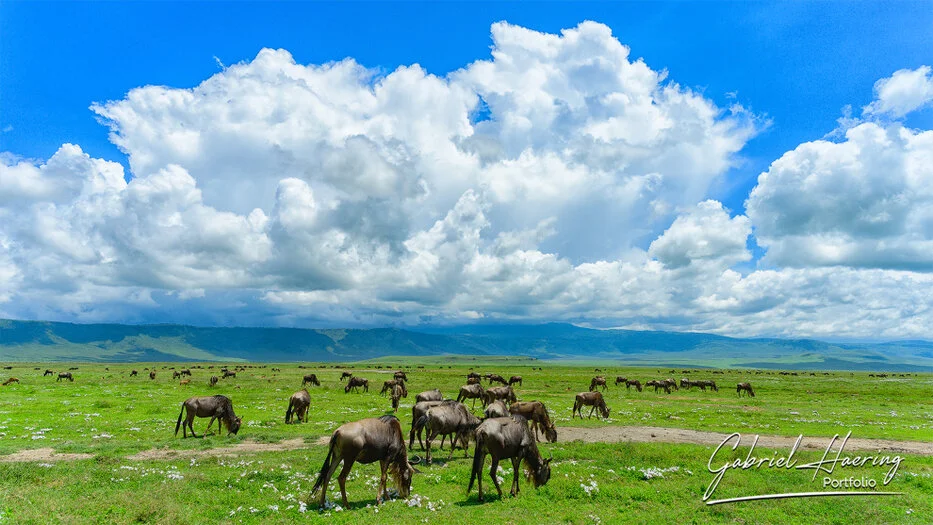
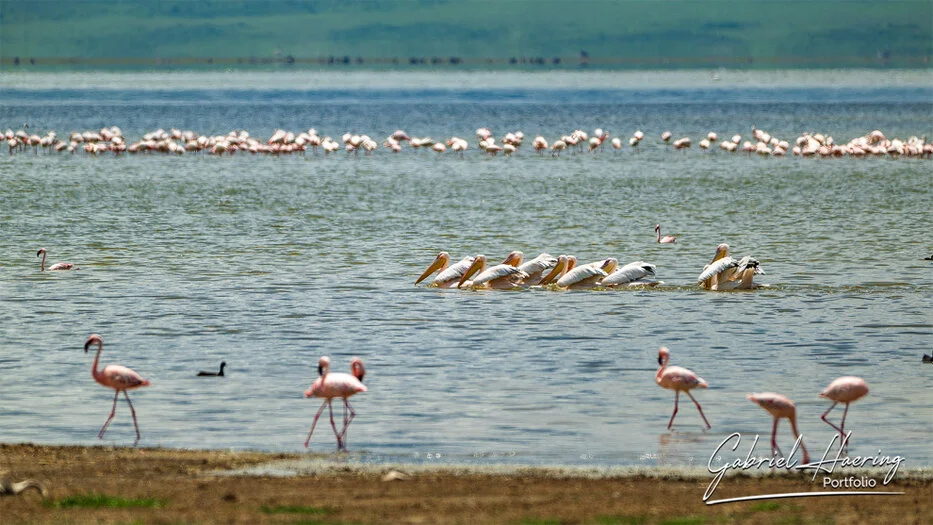
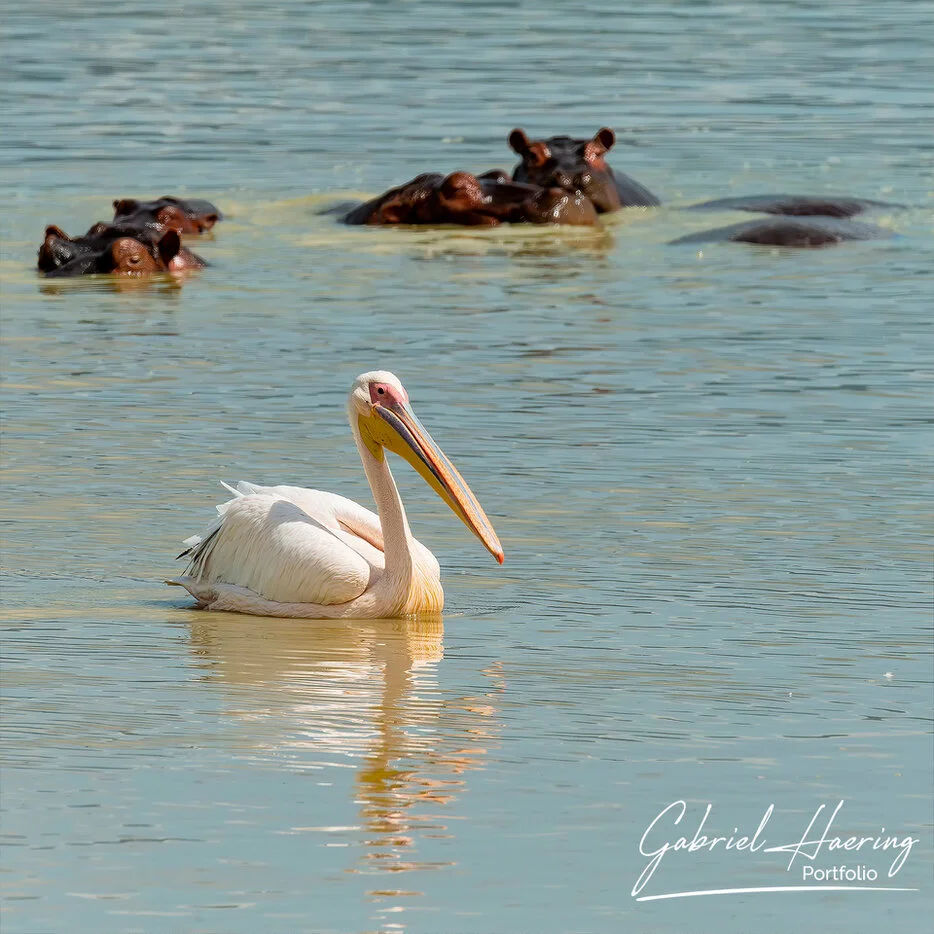
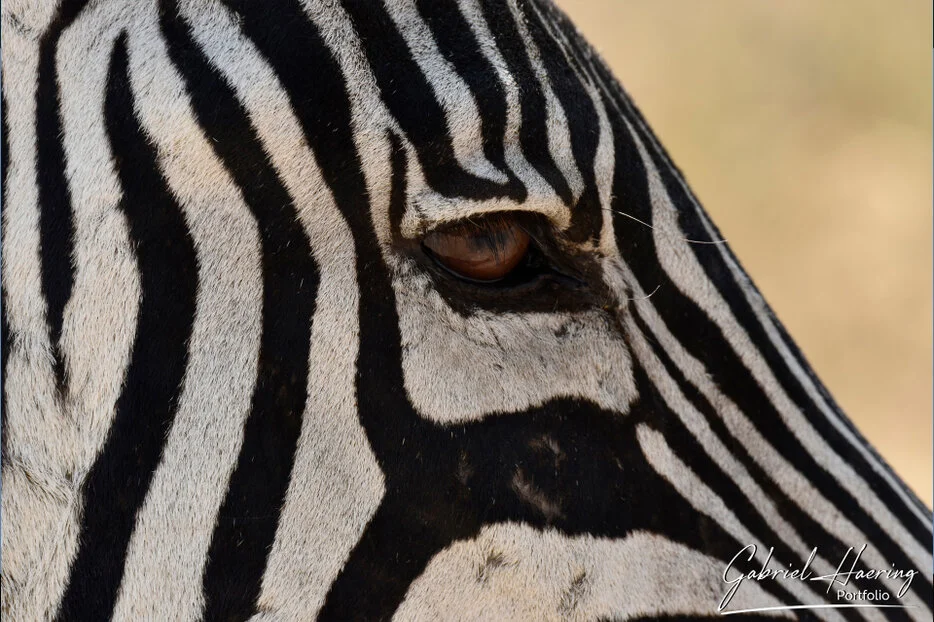
This portfolio gathers a selection of color images from Ngorongoro Crater: lions and hyenas on the open plains, flamingos and other birds along the lake, elephants emerging from the forested edges, buffaloes in the grasslands, zebras in graphic patterns and quiet moments shaped by mist, distance and the crater’s unique sense of place.
Ngorongoro is one of those places where the landscape always remains present. Even a close wildlife image carries the memory of the wider crater: the volcanic walls, the light, the altitude and the feeling of being inside a self-contained natural world.
Photograph Ngorongoro Crater during the calving season route
Ngorongoro Crater is included in my January 2027 Great Migration Calving Season photographic safari. Its wildlife density, volcanic landscape, mist, flamingos, lions, elephants and open grasslands make it one of the strongest photographic stops on the Northern Tanzania route.
The visit is combined with Tarangire, Ndutu and Central Serengeti for a complete wildlife photography experience. Tarangire brings elephants, baobabs and birdlife. Ngorongoro adds scale, density and volcanic atmosphere. Ndutu becomes the heart of the Great Migration calving season. Central Serengeti completes the journey with classic plains, kopjes, predators and open landscapes.
For photographers, Ngorongoro offers something different from the migration plains. The crater is more enclosed, concentrated and architectural. Wildlife appears within a dramatic natural bowl, where mist, lake, grassland, forest and crater walls all contribute to the image.
With a small group and a photographic rhythm, the goal is not simply to descend into the crater and collect sightings. It is to work carefully with light, distance, composition and behaviour, allowing the grandeur of Ngorongoro to remain visible in the photograph.
Ngorongoro image gallery
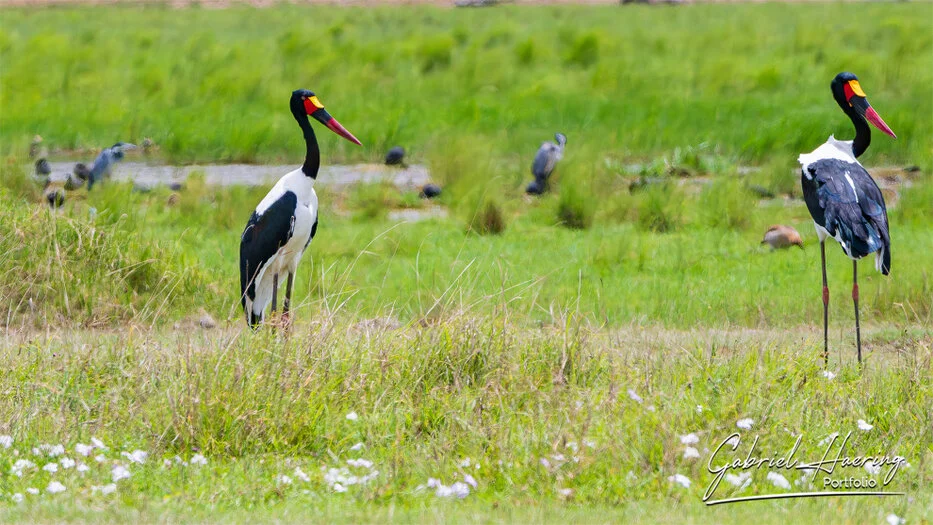
Photographic approach in Ngorongoro Crater
Working with light, space and ancient landscapes
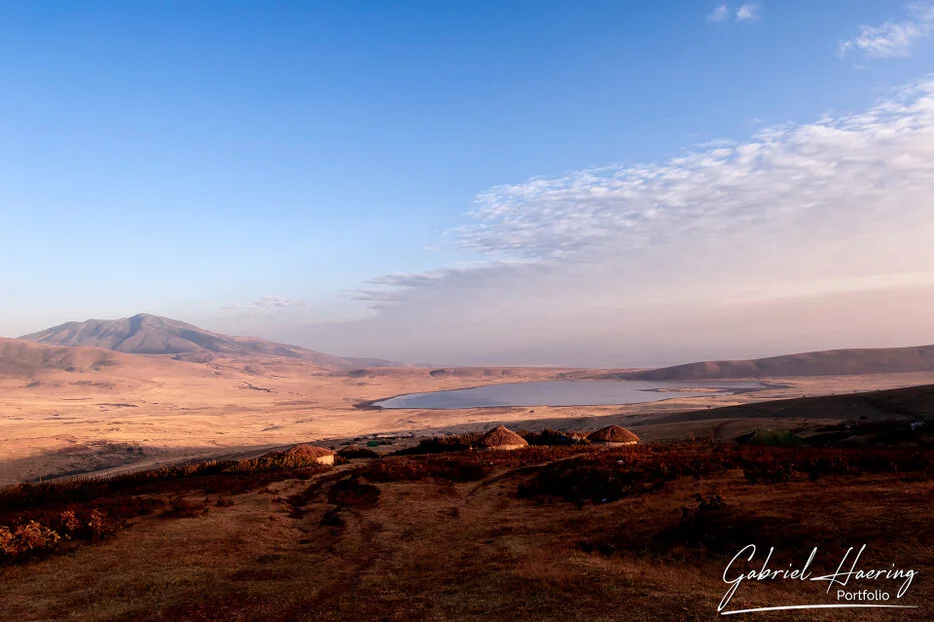
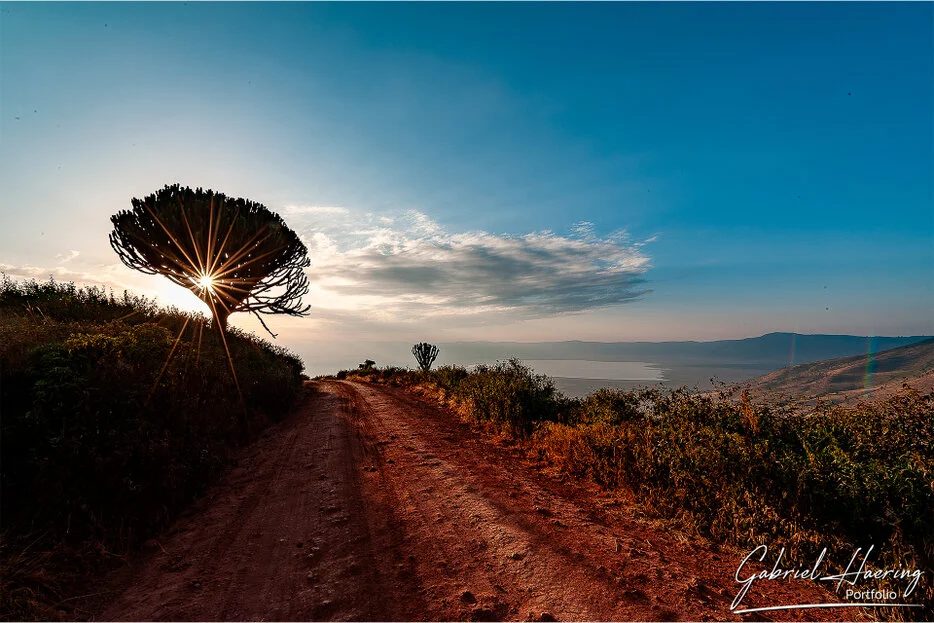
Ngorongoro Conservation Area draws me again and again to its extraordinary sense of place. Within this vast protected landscape, Ngorongoro Crater stands apart as one of the most powerful natural stages in Africa: an ancient volcanic caldera where open grasslands, forest patches, soda lakes, wetlands and crater walls create a world of changing light and atmosphere.
This is what makes Ngorongoro wildlife photography so distinctive. The crater is never just a background. It is part of the image. A lone elephant, a resting lion, flamingos on the lake, buffaloes in the grass or a line of wildebeest moving through the open plain can all become part of a wider, almost timeless composition.
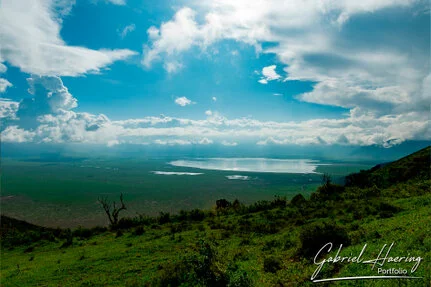
Here, light often defines the image as much as the subject itself. Morning mist can soften the crater floor, clouds can cast dramatic shadows across the plains, and distant animals may appear almost suspended within the landscape.
I often work carefully with highlights and atmospheric contrast, allowing the immensity of the crater to remain present in the frame. In these moments, wildlife photography in Ngorongoro becomes a balance between subject and setting, detail and scale, animal behaviour and ancient geology.
The photograph may begin with a lion, an elephant or a bird, but the crater gives the image its emotional weight.
Color, contrast and simplicity
This portfolio is rooted in color, but also in restraint. In Ngorongoro Crater I look for scenes where tones separate naturally: golden grass against blue volcanic ridges, dark animal forms against pale morning light, pink flamingos against the muted surface of the soda lake, or the deep greens of the crater forest against the open plains.
The challenge is often to simplify a visually rich environment without losing its scale and atmosphere. I try to reduce distractions, waiting for a gesture, a movement or a quiet alignment that gives the image balance.
Sometimes the strength of a photograph lies in the stillness of a lion in the grass, the curve of an elephant’s tusk, the graphic rhythm of zebras on the crater floor, the heavy presence of a buffalo, or the delicate movement of birds in the mist.
For me, Ngorongoro wildlife photography is not only about recording animals. It is about translating light, geology, space and emotion into a single frame. The best images often carry both intimacy and distance: a recognizable subject, but also the larger atmosphere of the crater around it.
Respect, patience and authentic moments
Every image in this portfolio is made with deep respect for the animals, the landscape and the unique cultural and ecological balance of the Ngorongoro Conservation Area. I work from designated tracks, follow the guidance of experienced local guides, and never seek an image at the expense of the subject or the environment.
In a place as iconic as Ngorongoro Crater, patience is essential. The most meaningful photographs rarely come from rushing between sightings. They come from observing carefully, waiting for the light to change, and allowing the scene to reveal itself.
This is also the spirit I bring to the January 2027 Great Migration Calving Season photographic safari. Ngorongoro is a busy and famous place, but it can still produce quiet, powerful images when approached with respect, patience and attention to light.
In Ngorongoro, that approach can reward you with something far more powerful than a close encounter: a photograph that carries the atmosphere of an ancient landscape, the quiet dignity of its wildlife and the feeling of being inside one of Africa’s most remarkable natural worlds.
Prints, licensing & photo safaris
If an image from this Ngorongoro portfolio resonates with you, it can often be acquired as a fine art print or licensed for editorial and commercial use through my main sales website.
And if these images make you feel that Ngorongoro Crater is a place you would like to experience with your own camera, you may also be interested in joining my January 2027 Great Migration Calving Season photographic safari in Northern Tanzania.
This small-group journey includes Tarangire, Ngorongoro Crater, Ndutu and Central Serengeti. It is designed for photographers and nature lovers who want to experience the calving season, big cats, newborn wildebeest, predator behaviour, crater wildlife, flamingos, elephants, open plains, volcanic landscapes and the changing light of Northern Tanzania.
Ngorongoro adds a very special chapter to this route. After the baobabs and elephants of Tarangire, and before the drama of Ndutu and the Great Migration calving season, the crater offers a concentrated photographic experience: wildlife density, ancient scenery, mist, lake, grassland and one of the most recognizable landscapes in Africa.
The safari is built around a photographic rhythm: small group, generous time in the field, dedicated photographic guidance, daily image discussions and enough flexibility to work seriously with wildlife behaviour, light and composition.
Please mention this Ngorongoro portfolio when you get in touch, so I can easily identify the photographs or the safari experience you are interested in.