
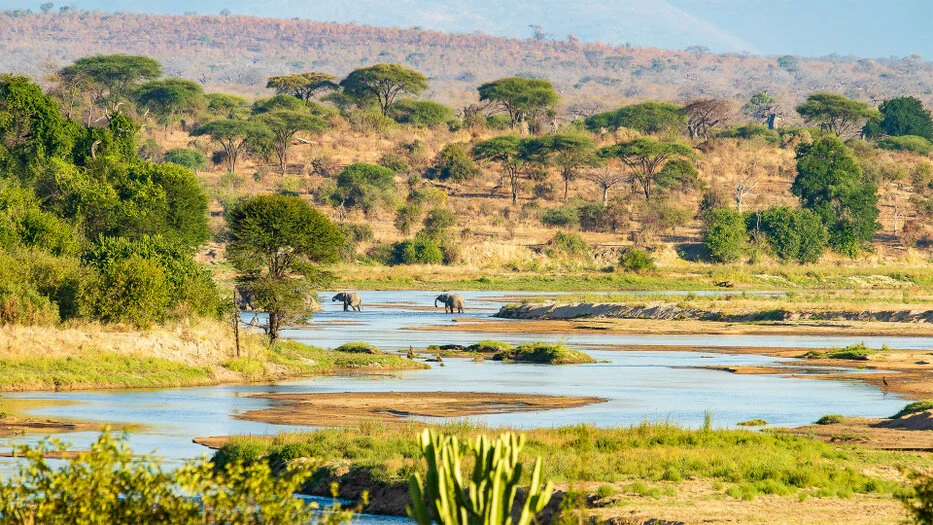
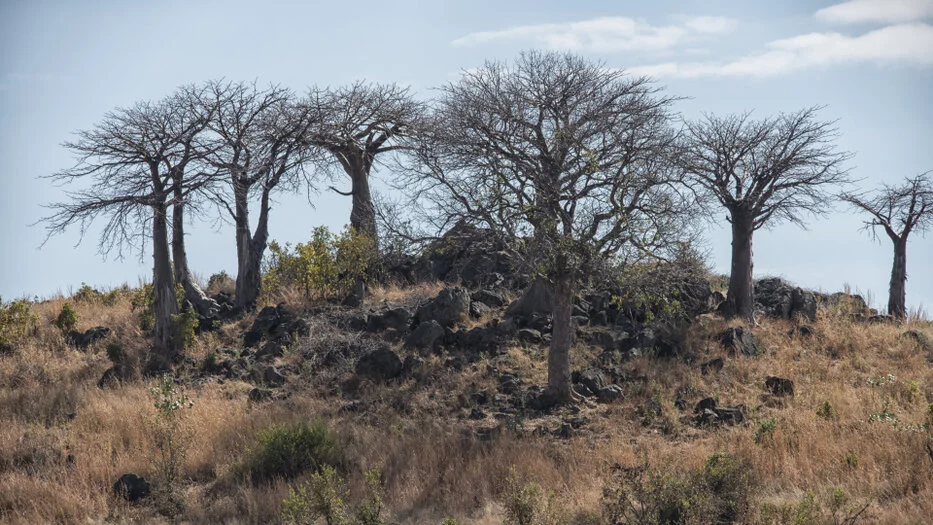
Ruaha National Park is defined by wild scale, rugged beauty and a remarkable sense of remoteness. Its rocky outcrops, baobab-dotted hills, dry riverbeds and broad savannah create a landscape that is constantly changing, both visually and photographically.
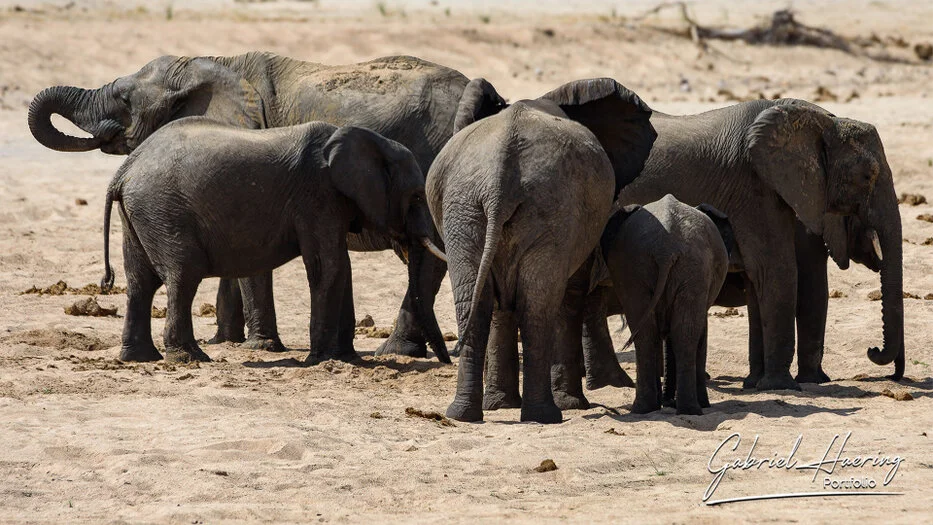
During repeated game drives, I have returned to this environment to photograph its wildlife with attention to atmosphere, composition and light. For me, wildlife photography in Ruaha is never only a search for species. It is a way of reading the landscape: the shape of a baobab, the warmth of dust in the late afternoon, the slow movement of elephants through dry woodland, or the quiet intensity of a predator resting in open country.
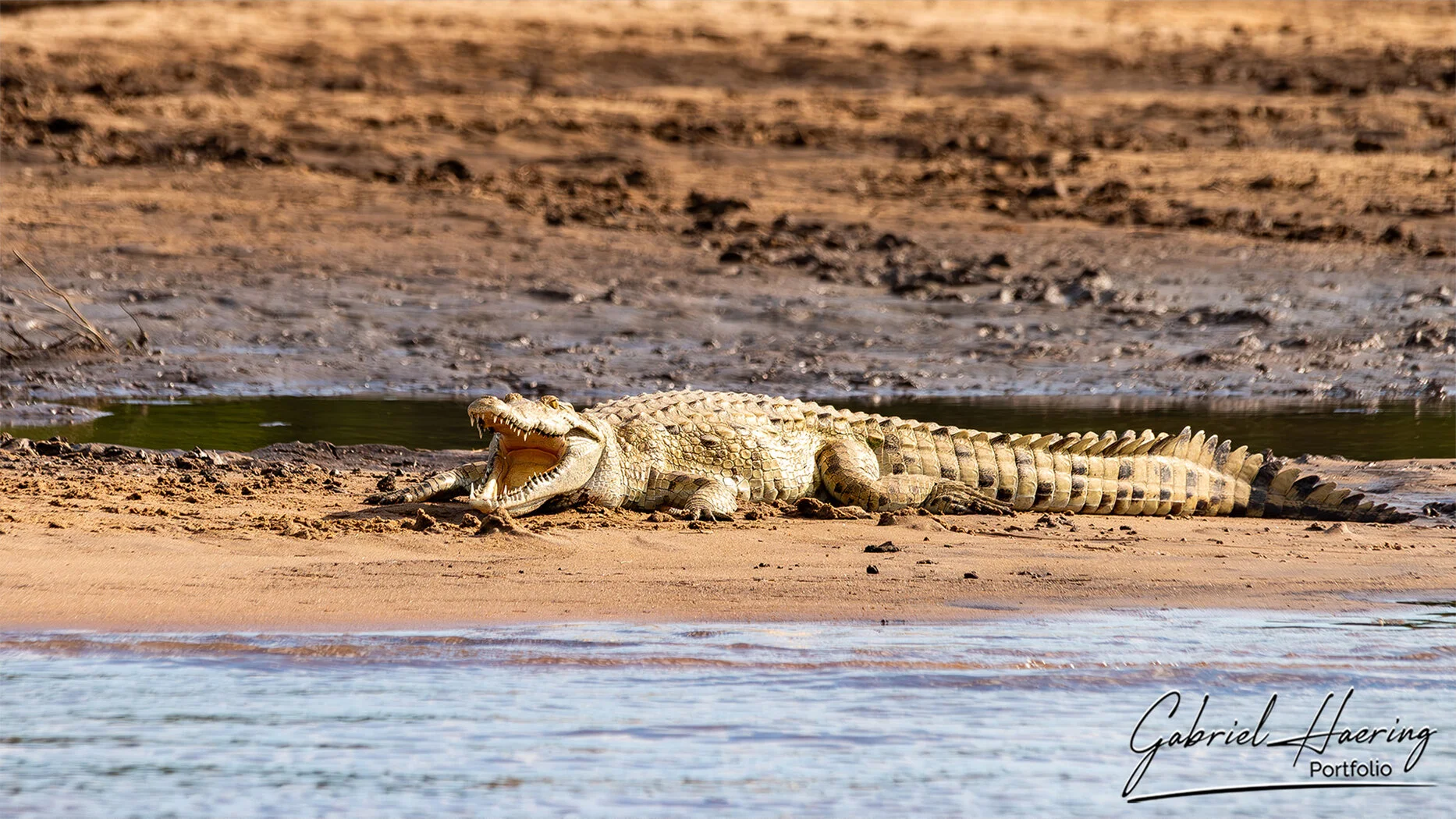
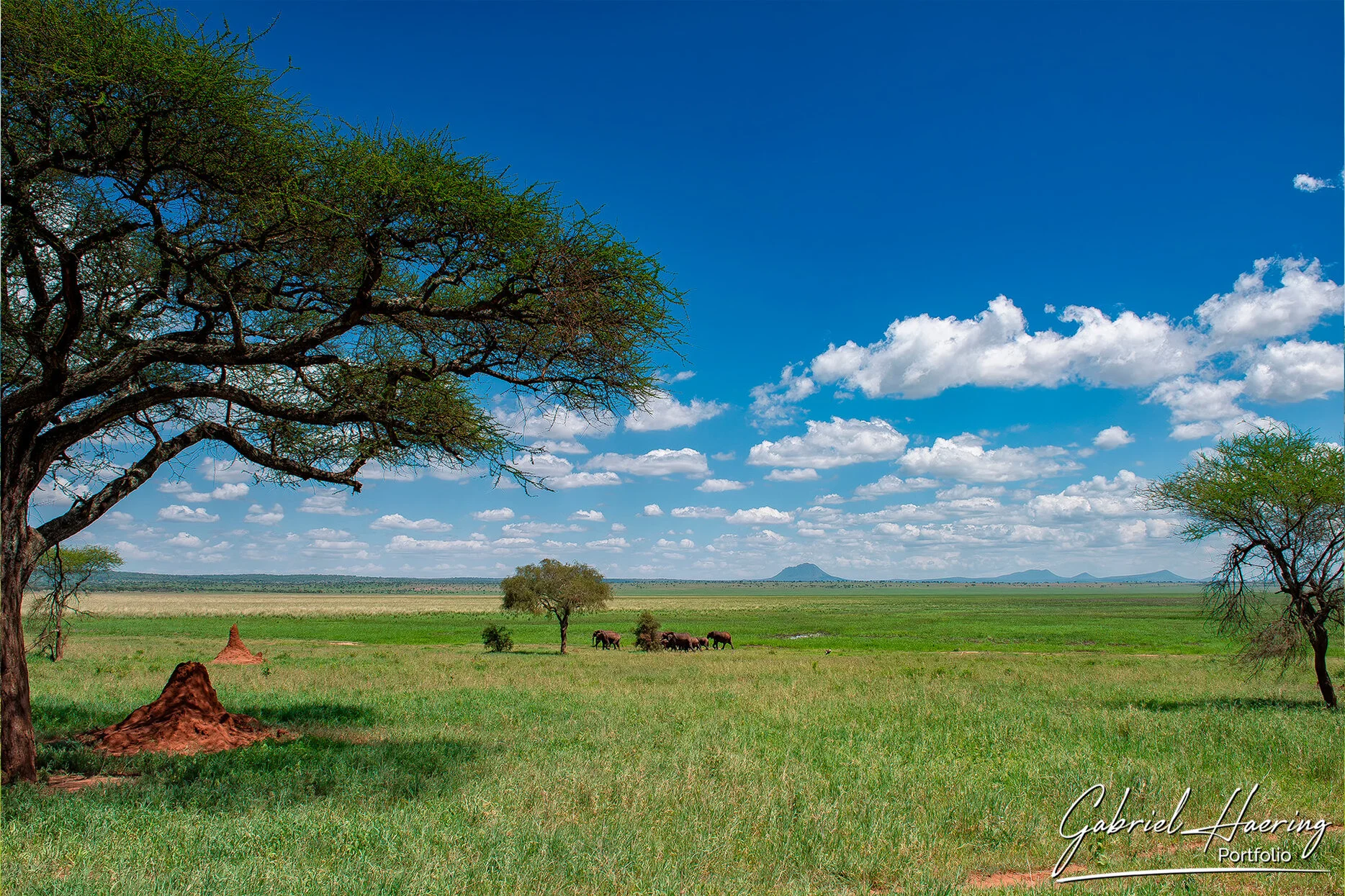
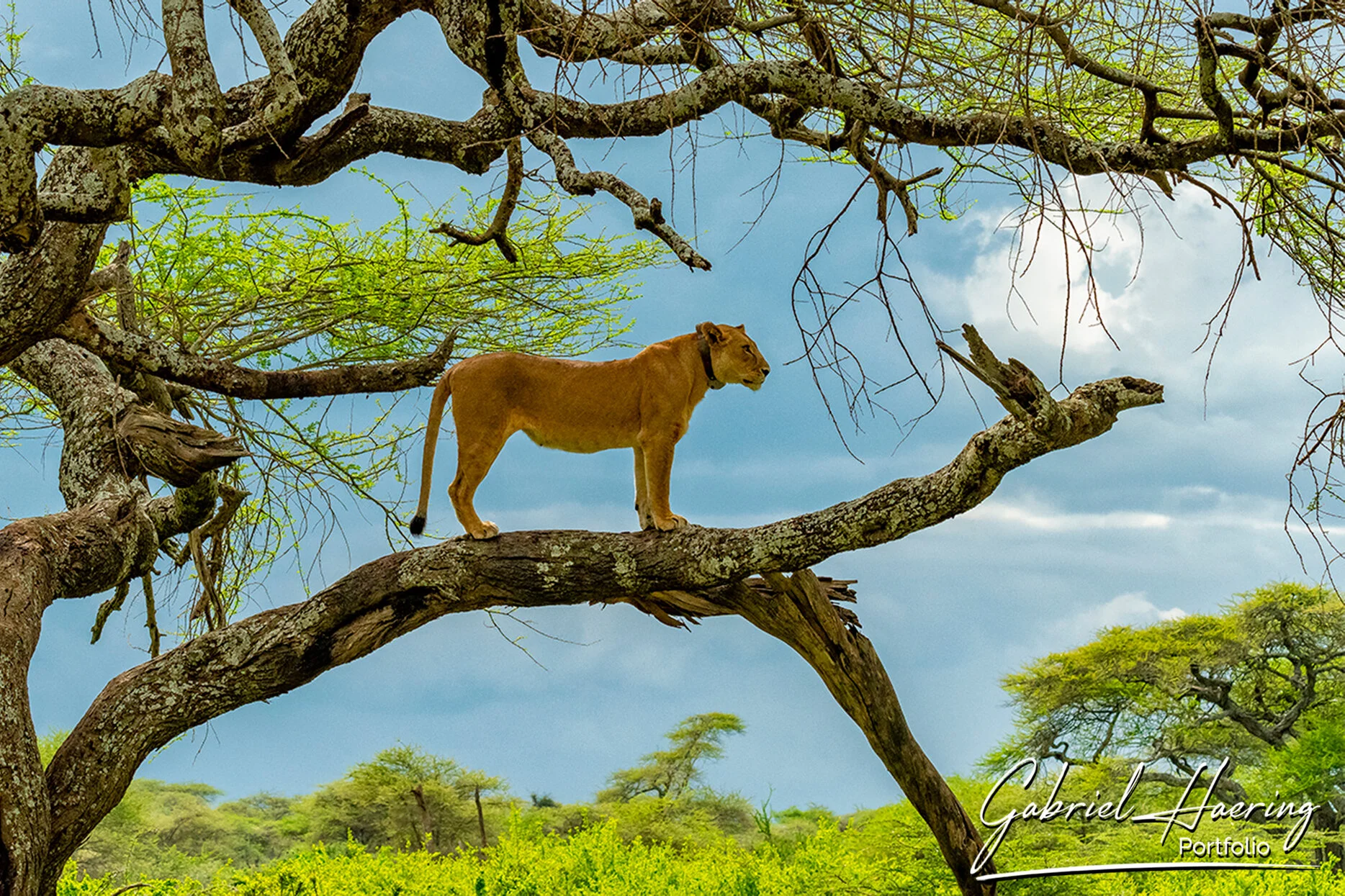
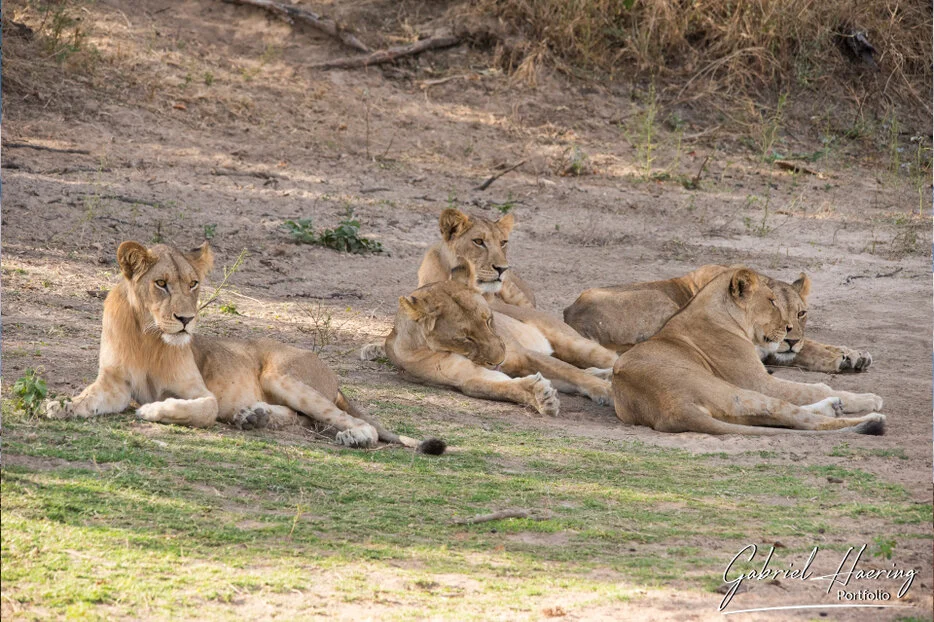
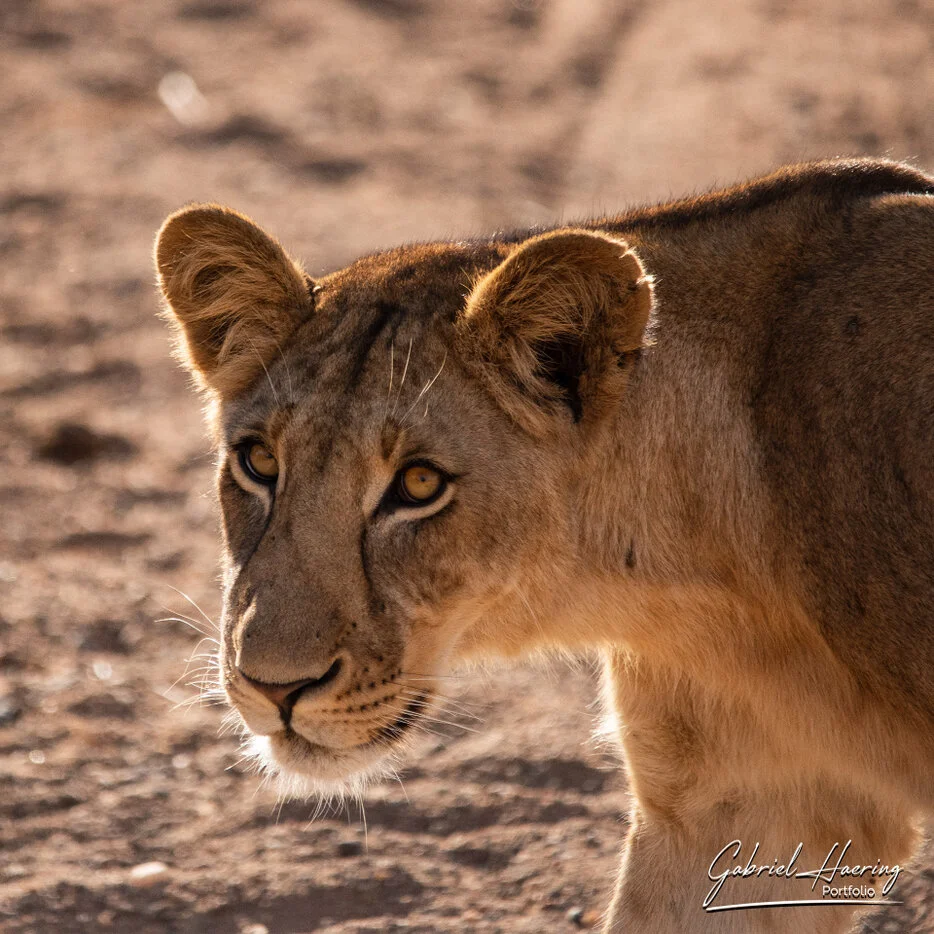
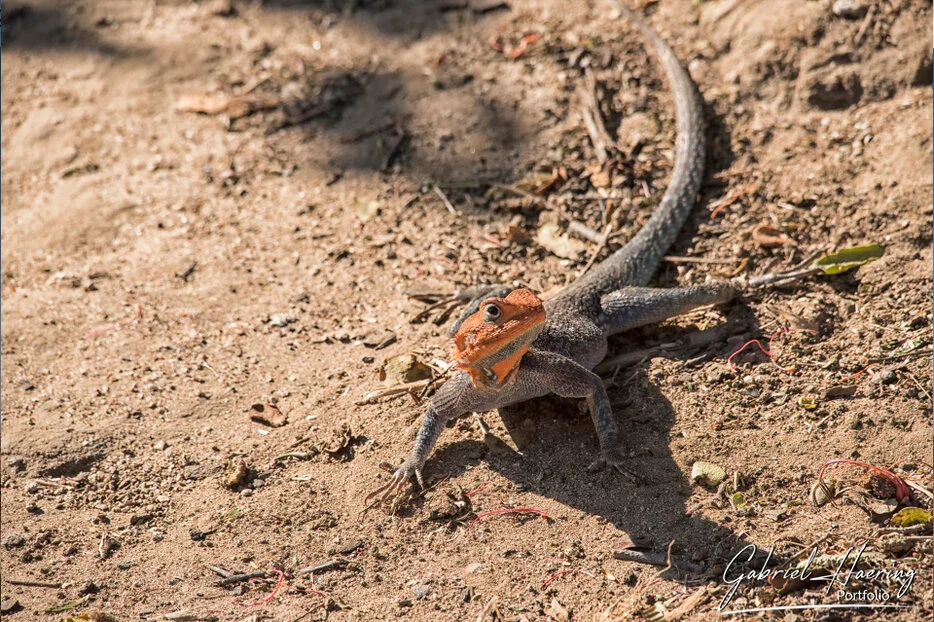
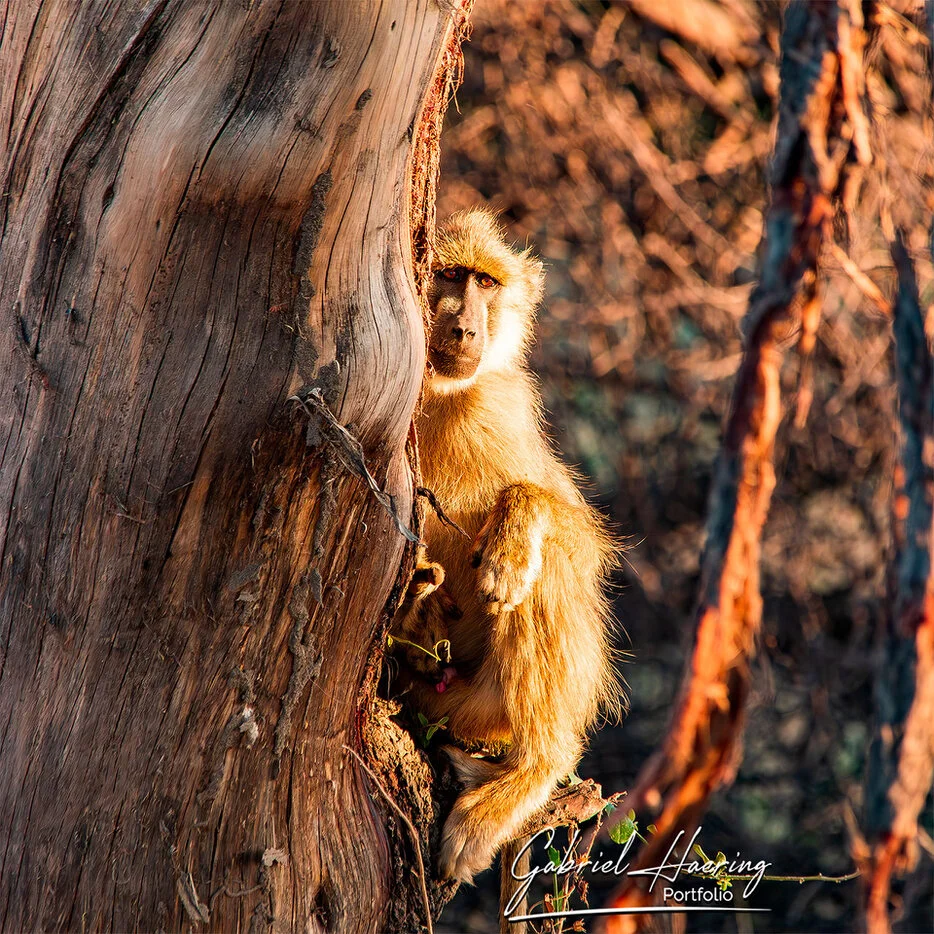
This portfolio gathers a selection of color images from Ruaha: elephants moving through dry woodland, lions and other predators in open country, birds and smaller details in clean graphic settings, and quiet moments shaped by distance, patience and the park’s raw, untamed character.
Ruaha is one of those places where the photograph often begins before the animal appears. The light, the silence, the open space and the dry landscape already create the mood. The wildlife then enters the frame as part of a larger story.
Photograph Ruaha on safari
Ruaha is one of the key parks in my Southern Tanzania photographic safaris. It is included both in the Nyerere & Ruaha photographic safari and in the Ruaha & Katavi photographic safari.
For wildlife photography, Ruaha offers a powerful combination of baobabs, dry riverbeds, elephants, predators, warm dust, open space and a strong sense of wilderness. It is a park where you are not simply collecting sightings, but working with light, behaviour and landscape.
The Nyerere & Ruaha safari combines two very different photographic worlds: the river systems, reflections and water-level perspectives of Nyerere with the dry, dramatic, baobab-shaped landscapes of Ruaha.
The Ruaha & Katavi safari goes deeper into remote Southern Tanzania, linking Ruaha with one of the wildest and least visited parks in the country. It is especially suited to photographers who are drawn to space, silence, buffaloes, predators, dry-season light and authentic wilderness.
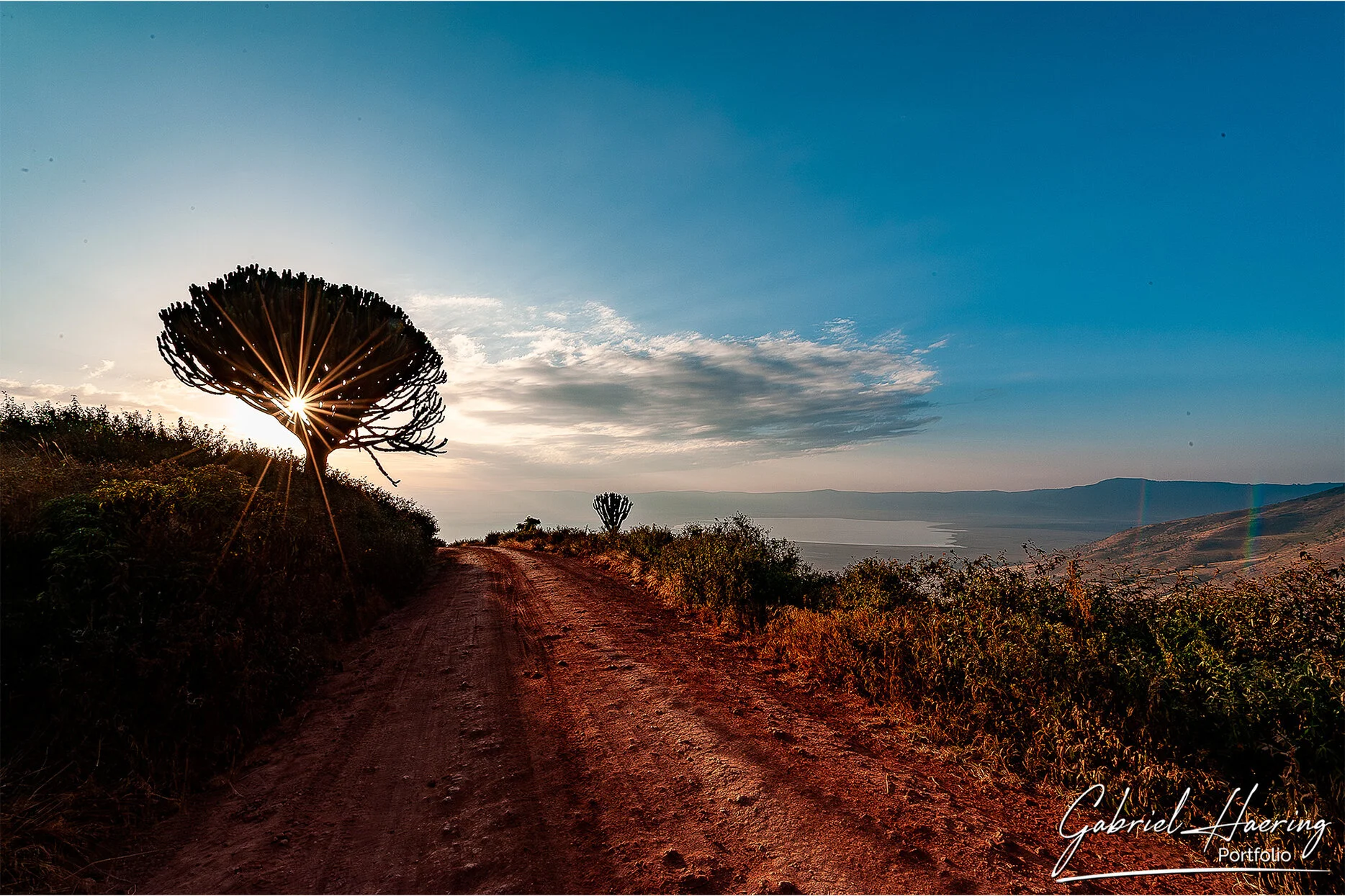
Ruaha image gallery
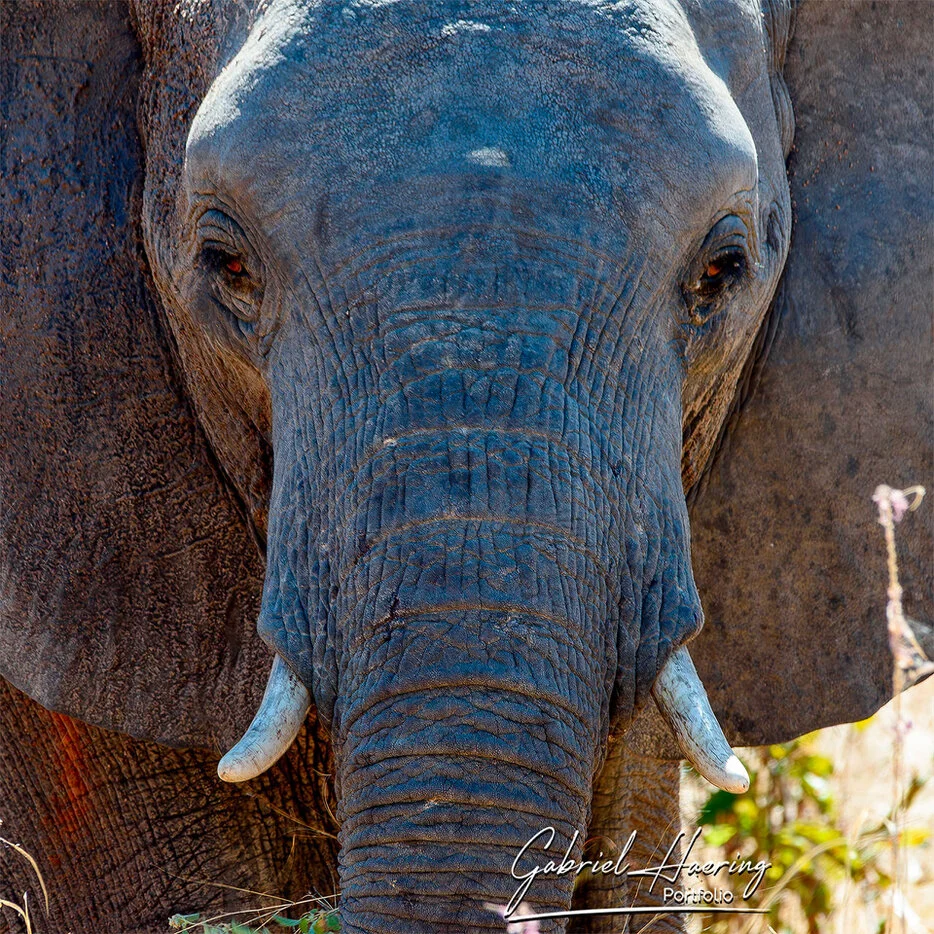
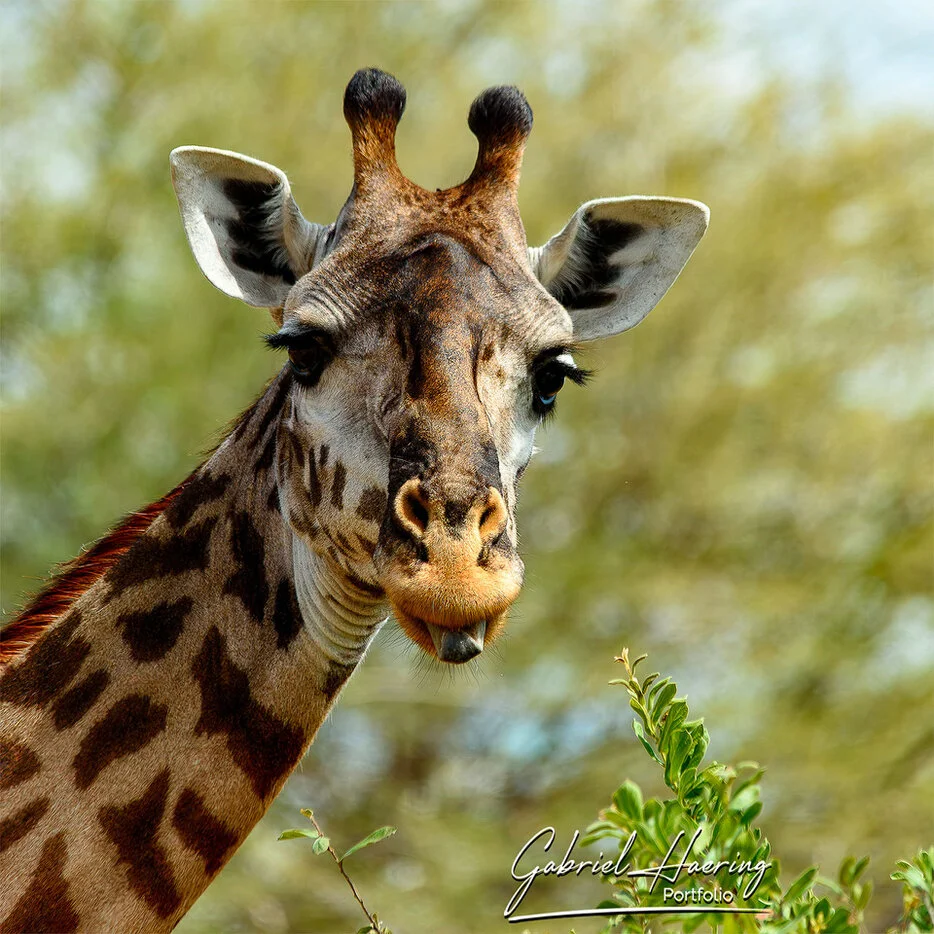
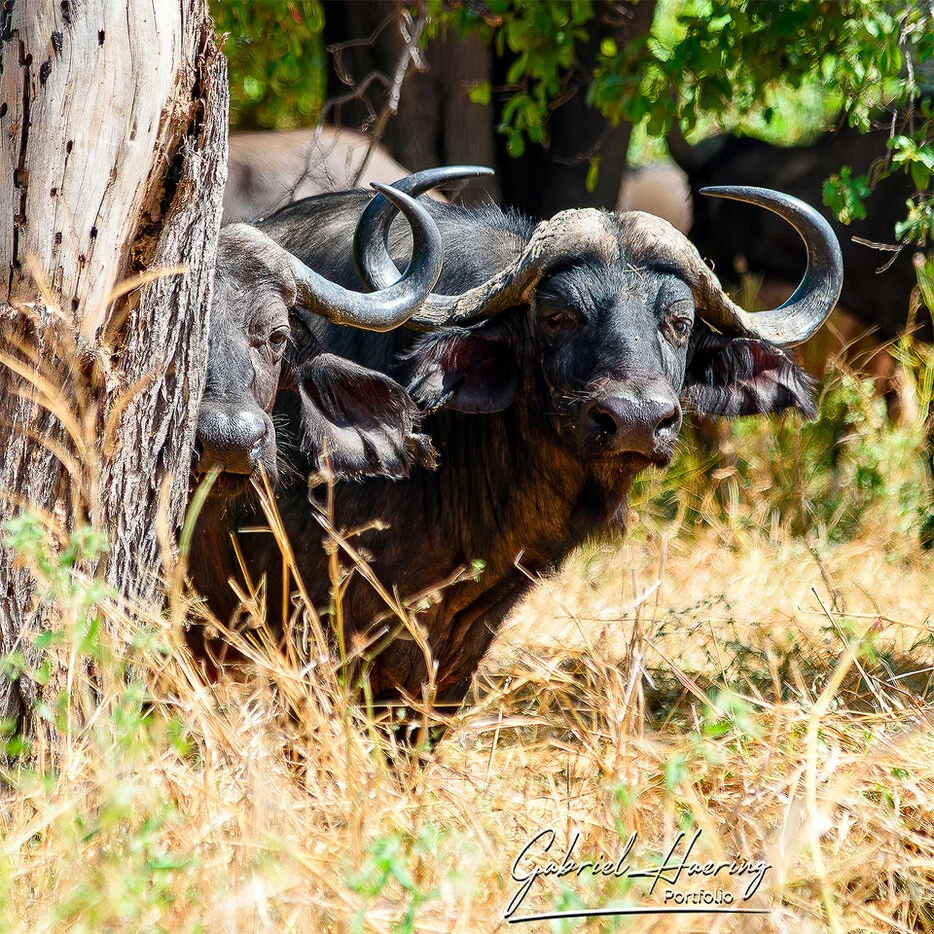
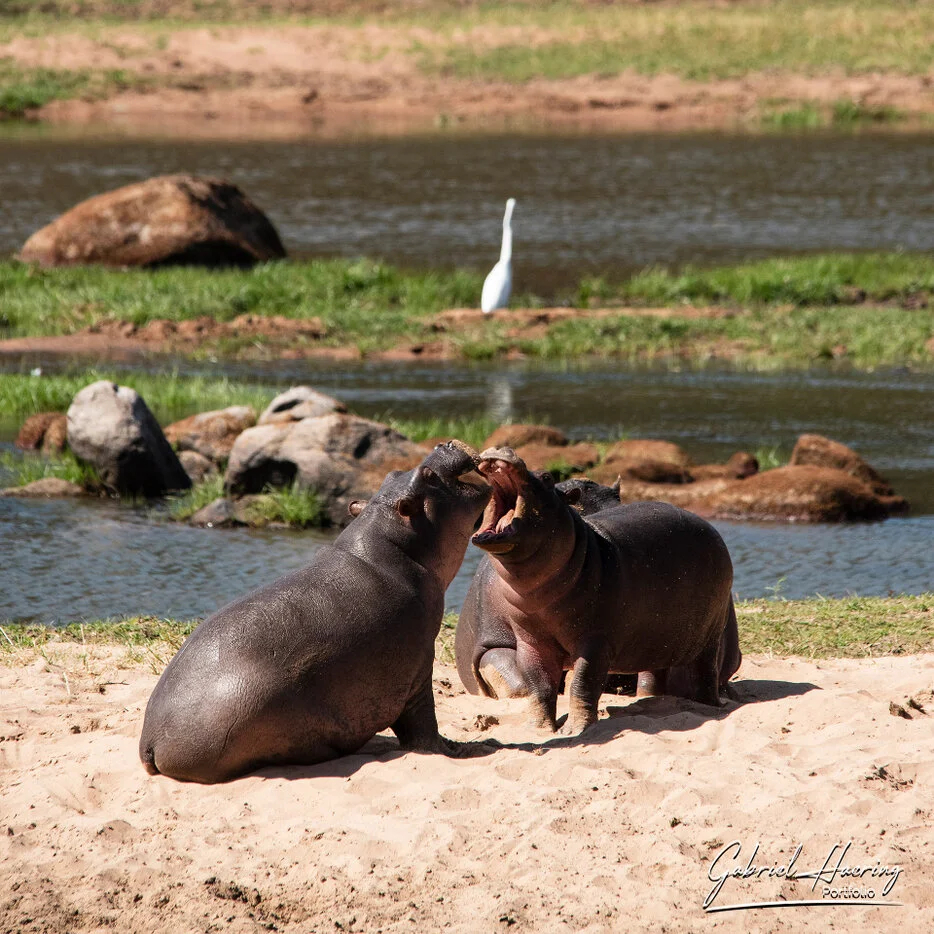
Photographic approach in Ruaha
Working with dry light, texture and rugged landscapes
Ruaha National Park draws me again and again to its raw, untamed character. Its dry riverbeds, rocky outcrops, baobab-dotted hills and vast open spaces create a world of texture, dust and constantly shifting light.
This is what makes Ruaha wildlife photography so distinctive. The landscape is never just a background. It becomes part of the image. A lion resting among rocks, an elephant crossing dry woodland, a giraffe framed by pale grass, or the silhouette of a baobab against the evening sky can all become photographs shaped as much by atmosphere as by the subject itself.
In Ruaha I often expose carefully for the highlights, preserving detail in bright skies, pale earth or sunlit stone, while allowing the deeper shadows to add structure and simplicity to the frame. The dry light can be demanding, but it also gives the images their strength: contrast, clarity, warmth and a strong sense of place.
In these moments, wildlife photography in Ruaha becomes a quiet exercise in balance — between animal and landscape, subject and space, detail and emotion.
Color, contrast and simplicity
This portfolio is rooted in color, but also in control. In Ruaha I am constantly looking for scenes where tones separate naturally: warm earth against blue sky, muted green vegetation against red dust, dark animal forms against luminous backgrounds.
I try to keep the composition clean and intentional, reducing distractions so that the image can breathe. Sometimes the strength of a photograph lies in a single gesture: the curve of an elephant’s trunk, the alert posture of an antelope, the quiet tension of a predator in the open bush.
For me, Ruaha wildlife photography is not only about documenting animals. It is about translating atmosphere, rhythm and emotion into a frame. The most memorable images are often the simplest ones: one animal, one gesture, one line of light, one moment of stillness.
Respect, patience and authentic moments
Every image in this portfolio is made with deep respect for the animals and for the fragile balance of this extraordinary ecosystem. I work from designated tracks, follow the experience of local guides, and never push for a photograph at the expense of the subject’s well-being.
The most meaningful images rarely come from pressure or proximity. They come from patience, distance and attention. In Ruaha, that approach often gives something more powerful than a close sighting: a true sense of wilderness, light and the park’s remarkable wild character.
This is also the spirit I bring to my photographic safaris in Ruaha. The goal is not to rush from one subject to the next, but to slow down, observe, wait and give the scene enough time to become a photograph.
Prints, licensing & photo safaris
If an image from this Ruaha portfolio resonates with you, it can often be acquired as a fine art print or licensed for editorial and commercial use through my main sales website.
And if these images make you feel that Ruaha is a place you would like to experience with your own camera, you may also be interested in joining one of my small-group photographic safaris in Southern Tanzania.
Ruaha is included in two different journeys:
Nyerere & Ruaha Photographic Safari
A compact Southern Tanzania safari combining river landscapes, reflections, hippos, crocodiles, elephants, birds, baobabs, predators and the dry wilderness of Ruaha.
Ruaha & Katavi Photographic Safari
A more remote journey through two of Tanzania’s wildest parks, designed for photographers who are looking for space, atmosphere, buffaloes, predators, baobabs, dust, dramatic light and very few vehicles.
Both safaris are designed for small groups, generous time in the field and a photographic rhythm based on light, patience and observation rather than rushing from sighting to sighting.
Please mention this Ruaha portfolio when you get in touch, so I can easily identify the photographs or the safari experience you are interested in.