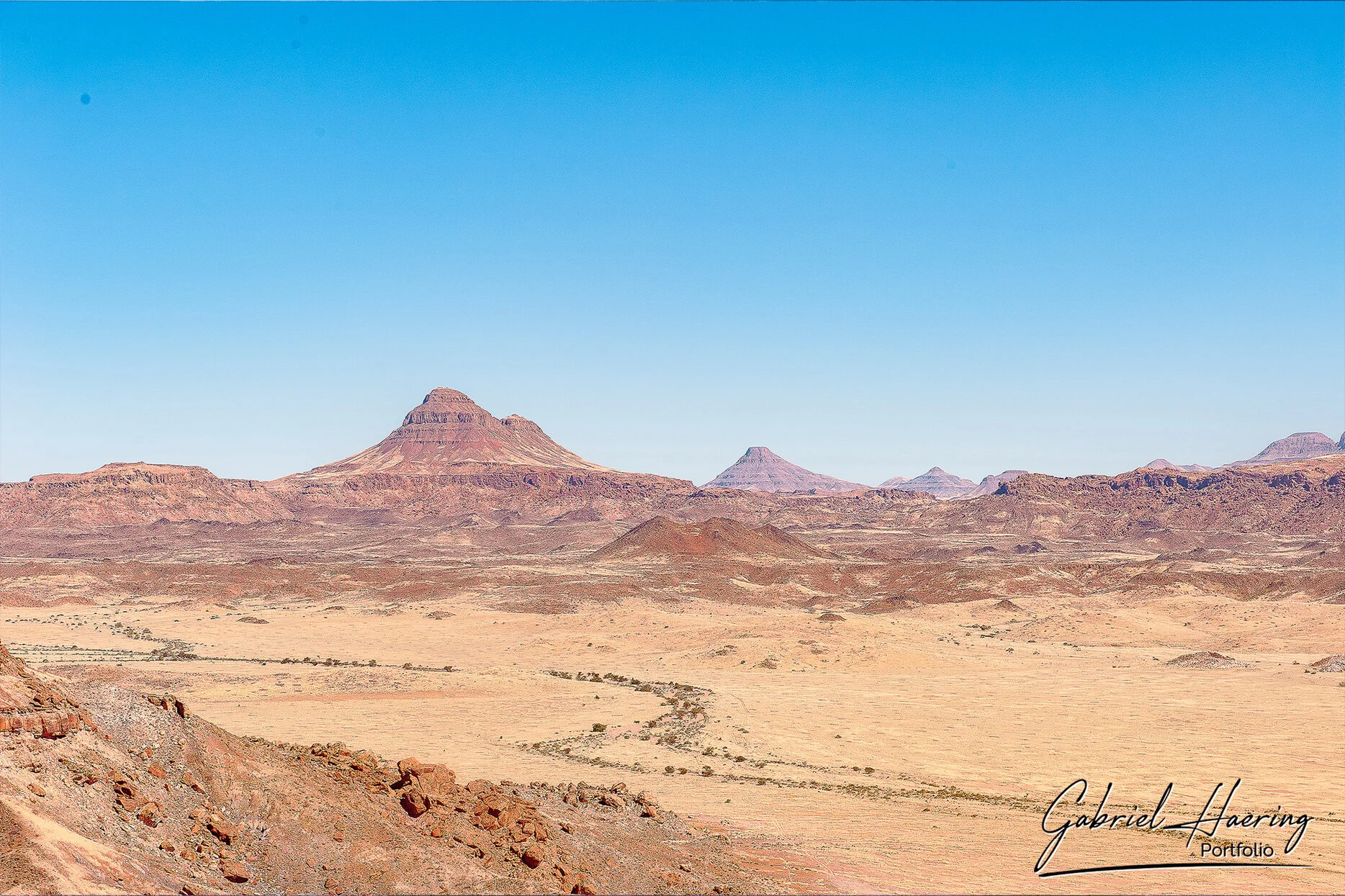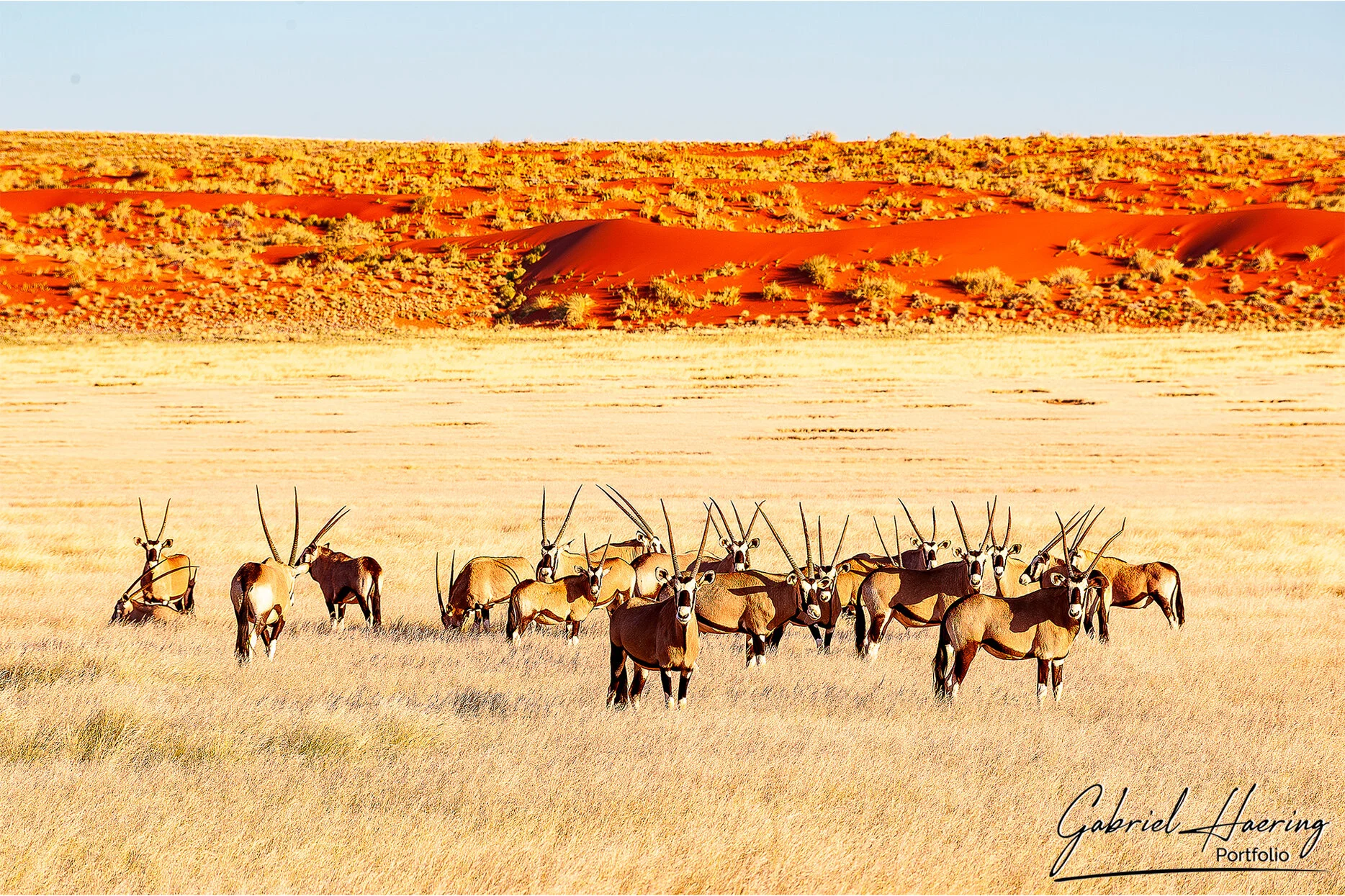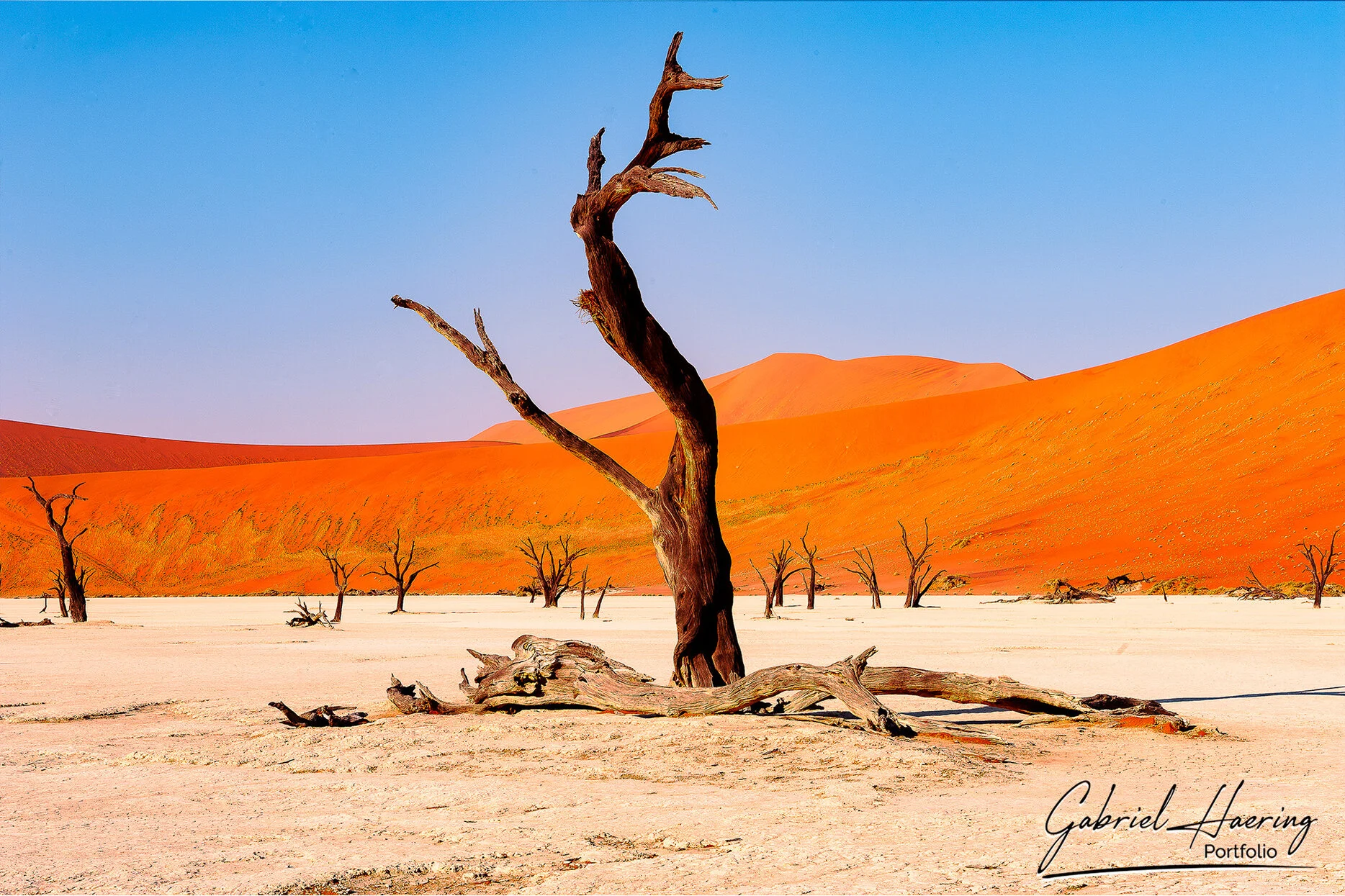

Etosha National Park is one of Namibia’s most iconic wildlife destinations and one of the most distinctive photographic landscapes in Africa. Its vast salt pan, open horizons, dry woodland, pale dust and permanent waterholes create a very different safari atmosphere from greener or more densely vegetated parks.
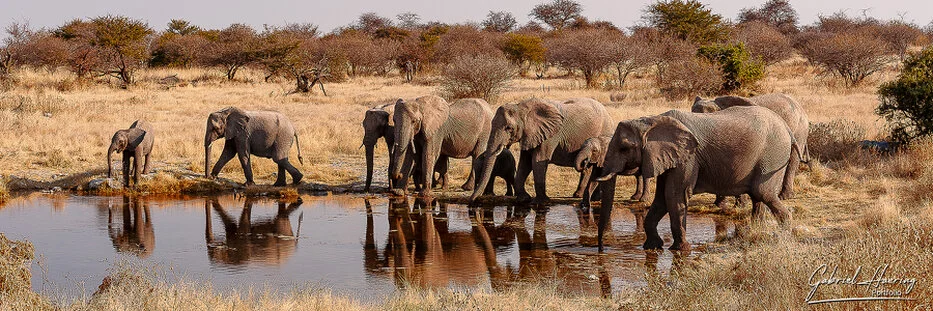
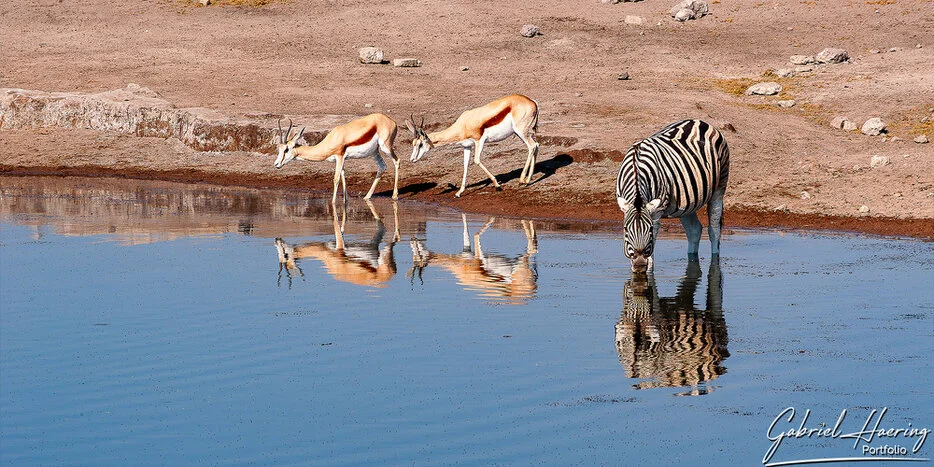
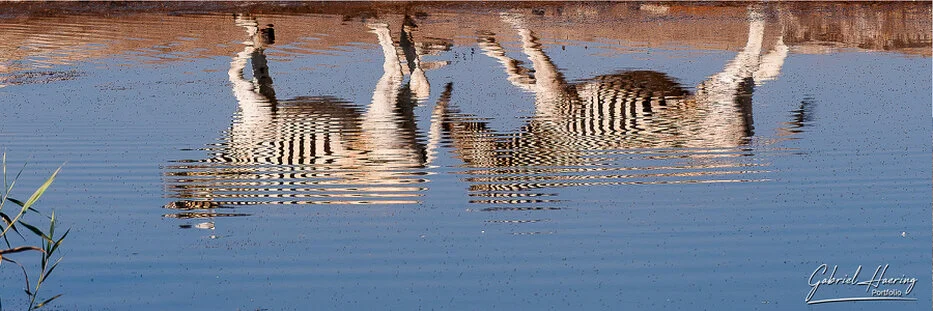
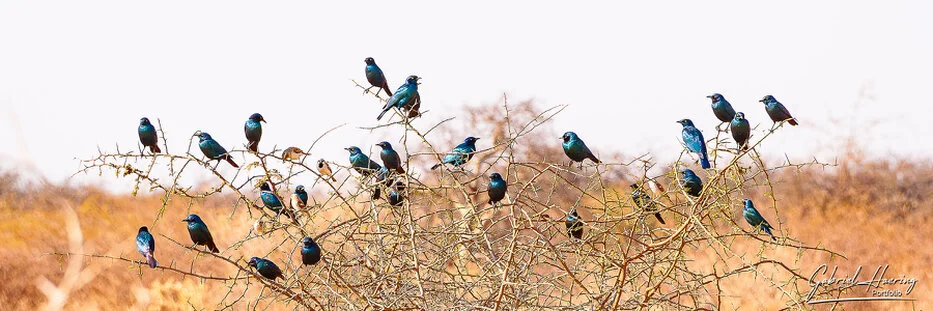
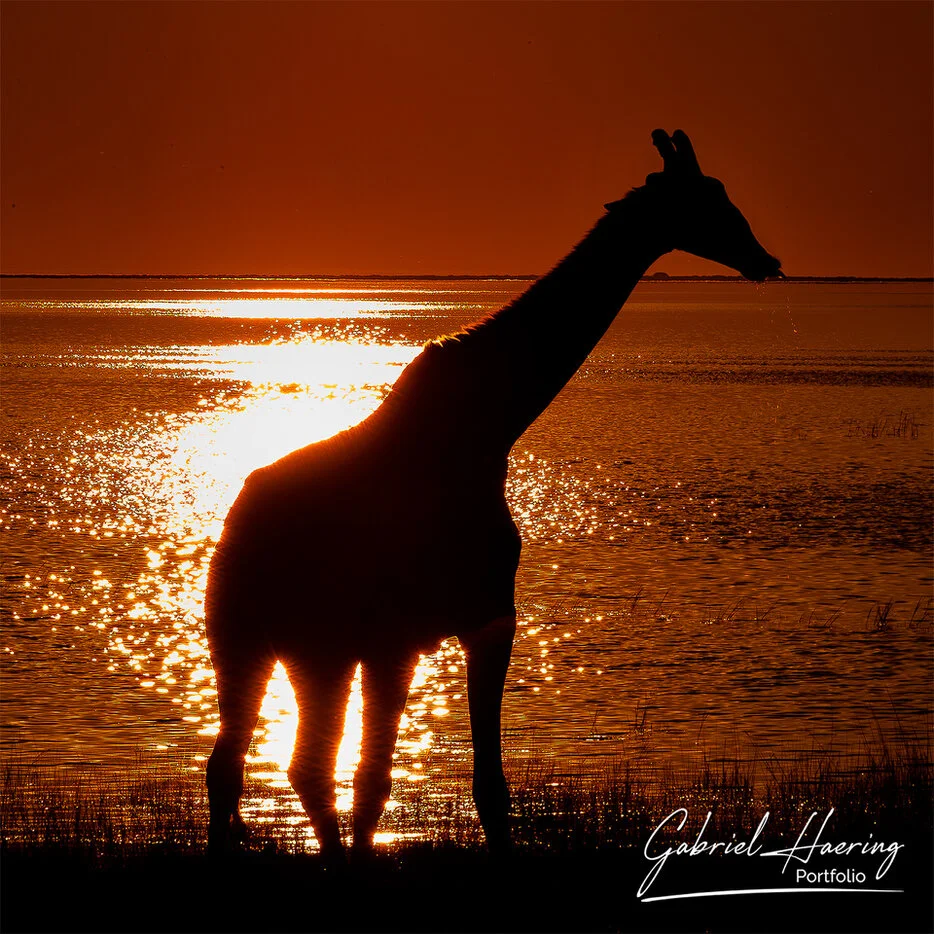
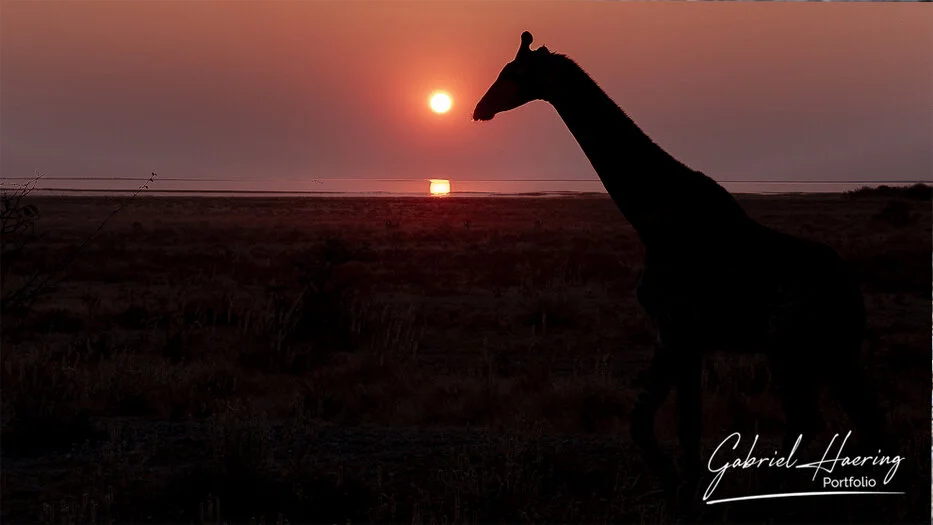
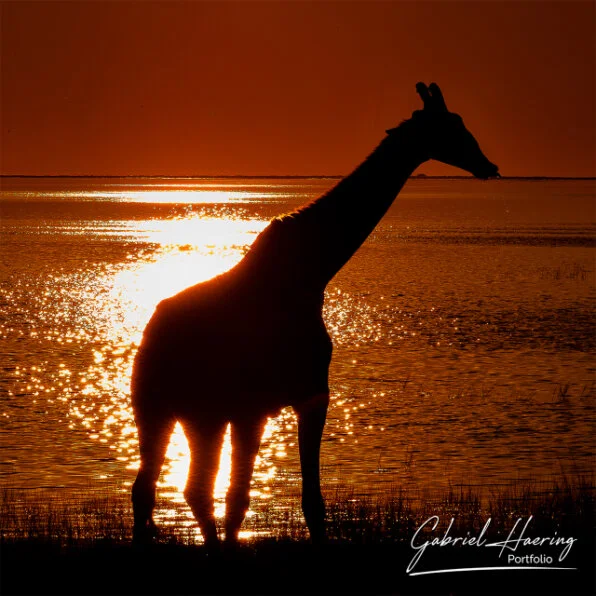
For photography, Etosha is a place of patience and anticipation. Much of the visual story happens around water: elephants arriving in silence, giraffes bending awkwardly to drink, zebras and antelopes reflected in still pools, birds gathering on thorn bushes, and silhouettes forming against the bright pan or the low sun.
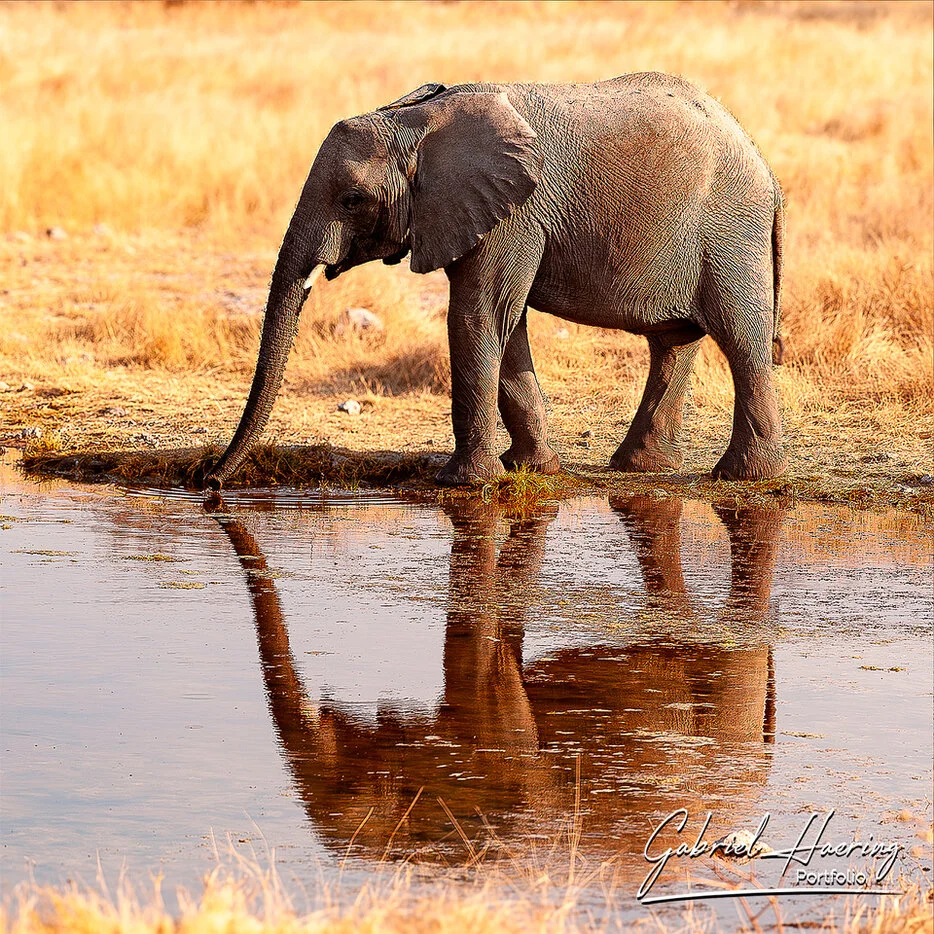
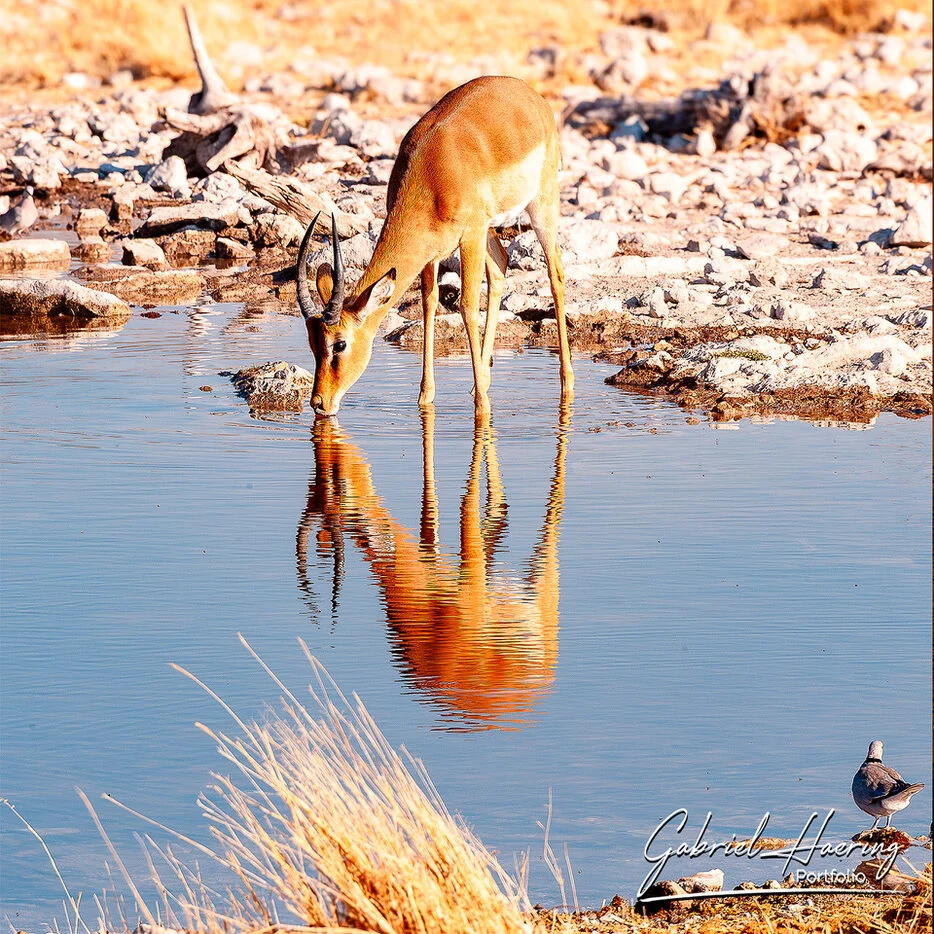
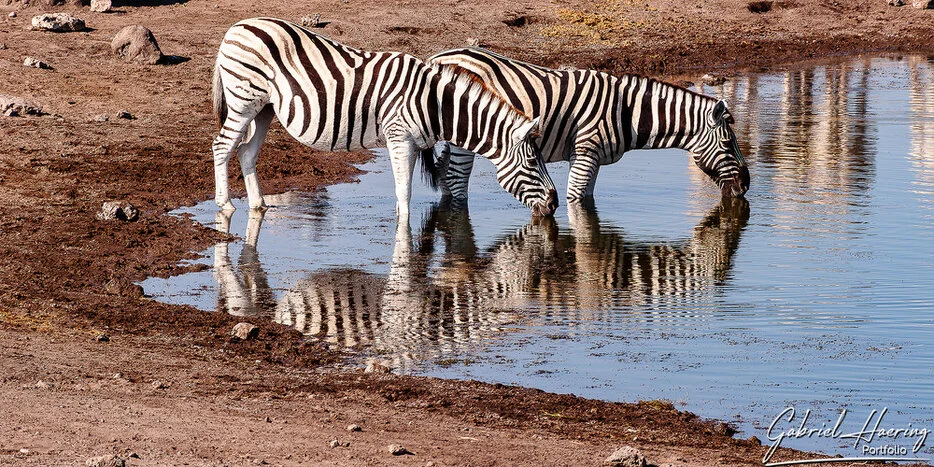
This portfolio gathers a selection of color photographs from Etosha National Park in Namibia. The images focus on waterhole encounters, minimalist salt-pan compositions, wildlife reflections, golden dry-season tones and the graphic contrast between animals, dust, sky and open space.
Etosha National Park image gallery
Photographic approach in Victoria Falls
Working with waterholes, patience and anticipation
Etosha is one of the best places in Africa to understand the photographic value of waiting. During the dry season, wildlife often concentrates around permanent waterholes, creating opportunities for layered compositions and natural behaviour.
Rather than driving constantly, I prefer to observe one place carefully: which animals are approaching, how they position themselves, how reflections change, where the dust rises, and how light moves across the scene. A simple waterhole can become a complete stage for wildlife photography.
Reflections, dust and dry-season light
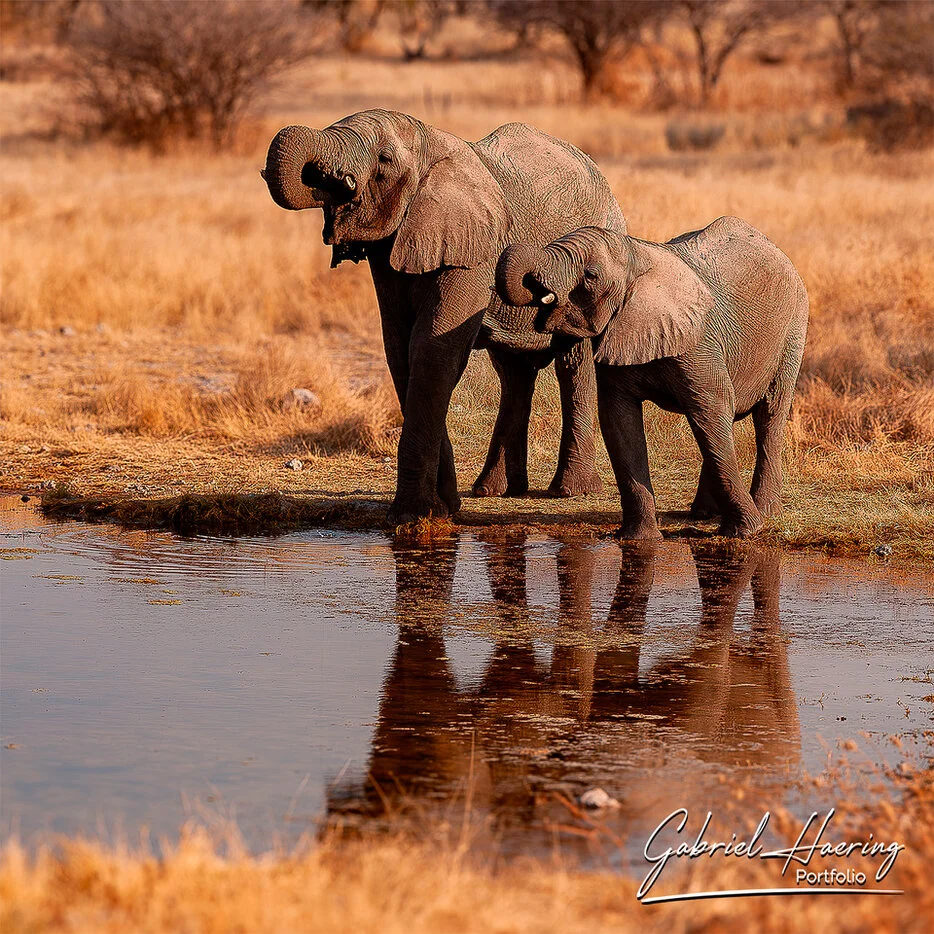
Water is visually powerful in Etosha because it is surrounded by dryness. A small pool can reflect an elephant, a zebra pattern or the warm body of an impala, while the pale earth and dry grasses simplify the background.
Dust also plays an important role. It softens the light, separates animals from the landscape and adds atmosphere to otherwise minimal scenes. In the early morning and late afternoon, Etosha’s dry light can turn simple wildlife moments into strong, almost graphic compositions.
The Etosha Pan as a minimalist background
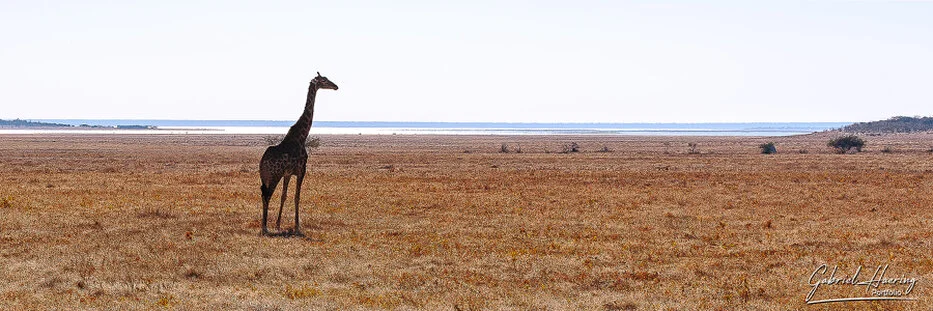
The Etosha Pan gives the park its unique visual identity. Its immense white surface creates space, silence and scale. Animals seen against the pan often appear isolated, almost sculptural, with very clean backgrounds and strong horizontal lines.
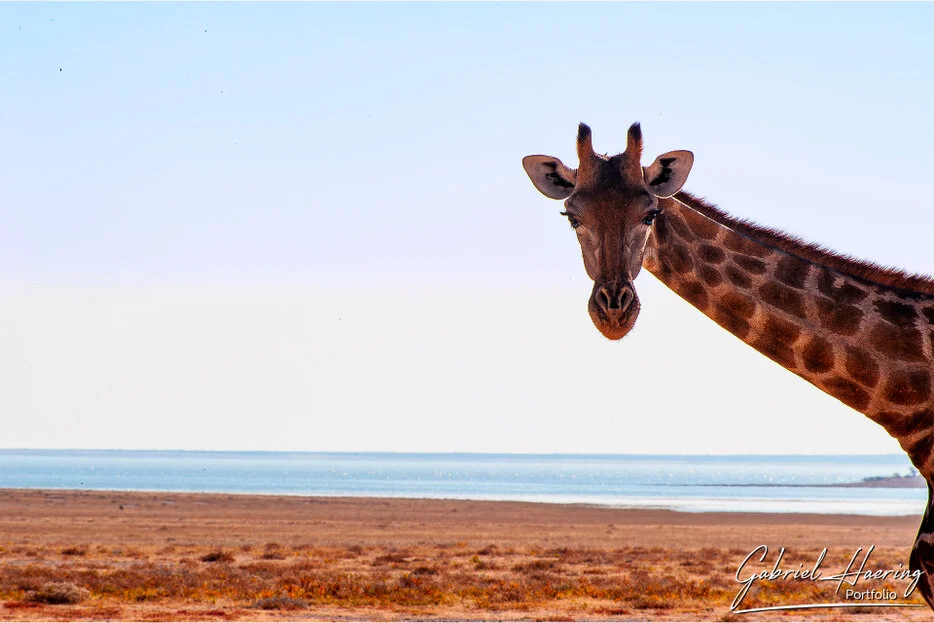
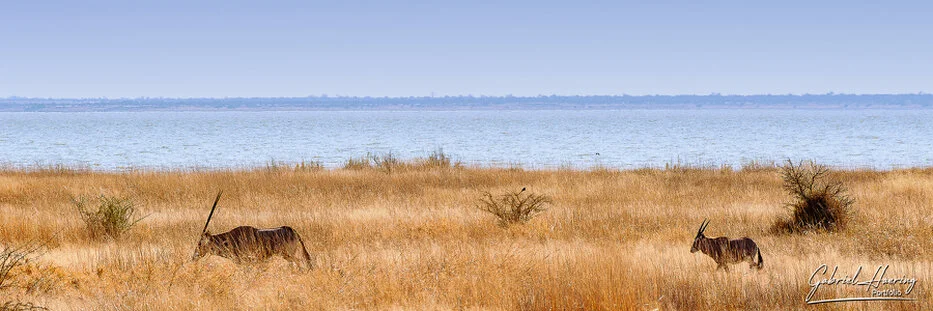
For a photographer, this makes Etosha ideal for minimalist wildlife images: giraffes on the edge of the pan, oryx moving through dry grass, zebras reflected in shallow water, or silhouettes standing between sky and salt.
Color, contrast and atmosphere
This portfolio is rooted in color, but the color palette of Etosha is subtle and restrained: pale blue sky, white pan, ochre grass, grey elephants, striped zebras, warm dust and dark animal silhouettes.
The strongest images are often those where color is not excessive, but balanced. Etosha rewards simplicity: one animal, one reflection, one tree, one line of horizon, one moment of light.
Respect, distance and authentic wildlife behaviour
Every image in this portfolio is made with respect for wildlife and for the rhythm of the park. Etosha photography works best when animals are allowed to move naturally, drink, rest and interact without pressure.
The aim is not only to photograph species, but to capture behaviour, atmosphere and place: the silence around a waterhole, the tension before animals drink, the dust after a herd leaves, or the stillness of a giraffe against the glowing pan.
Prints, licensing & photo safaris
If an image from this Etosha National Park portfolio resonates with you, it can often be acquired as a fine art print or licensed for editorial and commercial use through my main sales website.
Please mention this Etosha portfolio when you get in touch so I can easily identify the photographs you are interested in.